
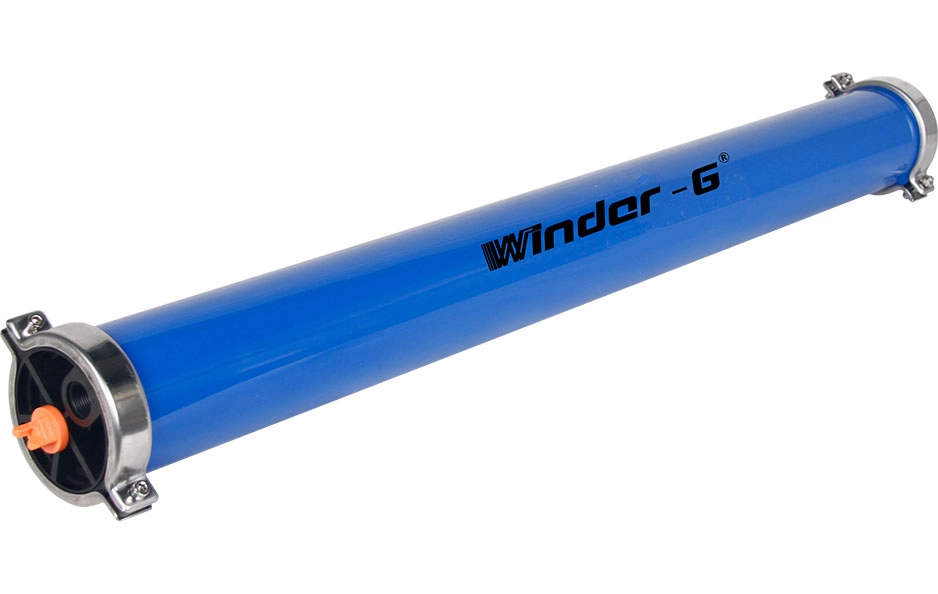
Membrane housings act as a tough outer shield and pressure vessel. They hold reverse osmosis (RO) or ultrafiltration elements securely. This setup ensures that the system stays strong even under heavy working pressure. These vessels stop leaks, keep water flowing the right way, and keep fragile membranes safe from physical harm. A filtration system works well only if its housing can hold steady pressure and fight off rust over many years. Because of this, picking the right material is vital for keeping the system stable, safe from chemicals, and affordable to run.
Overview of Membrane Housing Materials
In the world of industrial water treatment, three materials stand out: FRP (fiber reinforced plastic), PVC (polyvinyl chloride), and stainless steel. Each one has its own special traits. FRP is a great all-around choice because it is strong, ignores corrosion, and stays light. PVC is a budget-friendly pick for jobs with low pressure. Stainless steel is very tough, but it costs more and can suffer from pitting when salt is present. Choosing between them depends on your specific pressure needs, the chemicals you use, the local weather, and your overall budget.
Structural Characteristics of FRP Membrane Housing
How Is FRP Membrane Housing Composed and Manufactured?
FRP membrane housings are smart composite tools made from a polymer base toughened with glass fibers. These products are shaped using automated microcomputer controls. We use high-grade epoxy resin and special fiber materials. These are handled with unique techniques to give the final product better pressure, heat, and rust resistance than standard steel or plastic. Most of these structures are made via filament winding. This careful process spreads the fibers evenly so they can handle the stress of high-pressure work. Every part, from the main barrel to the head and slots, goes through deep design checks. We calculate every detail to make sure the structure stays safe and steady under long-term stress.
This exact way of building allows us to make housings for various needs, from 150 PSI up to 2000 PSI. For instance, our 4-inch quick-release FRP membrane housing runs at 300 PSI. It features a fast-opening design that makes maintenance much easier for your team.
What Defines Its Mechanical Strength and Pressure Capabilities?
The power of FRP comes from its glass fiber layers. These fibers give it amazing pulling strength while keeping the weight very low. Our products pass over 100,000 cycle tests from 0 to 150 psi while holding pressure. This level of toughness means they work reliably in desalination or industrial RO systems where loads change often. FRP is much less dense than metal. This makes it easier to install without losing any strength.
Furthermore, its ability to resist fatigue means it can run for thousands of cycles without bending or breaking. The material also blocks heat well. Its thermal conductivity is roughly 1/200 that of metal. This natural insulation helps keep membrane performance steady even if the temperature outside changes quickly.
Comparative Analysis: FRP vs PVC Membrane Housings
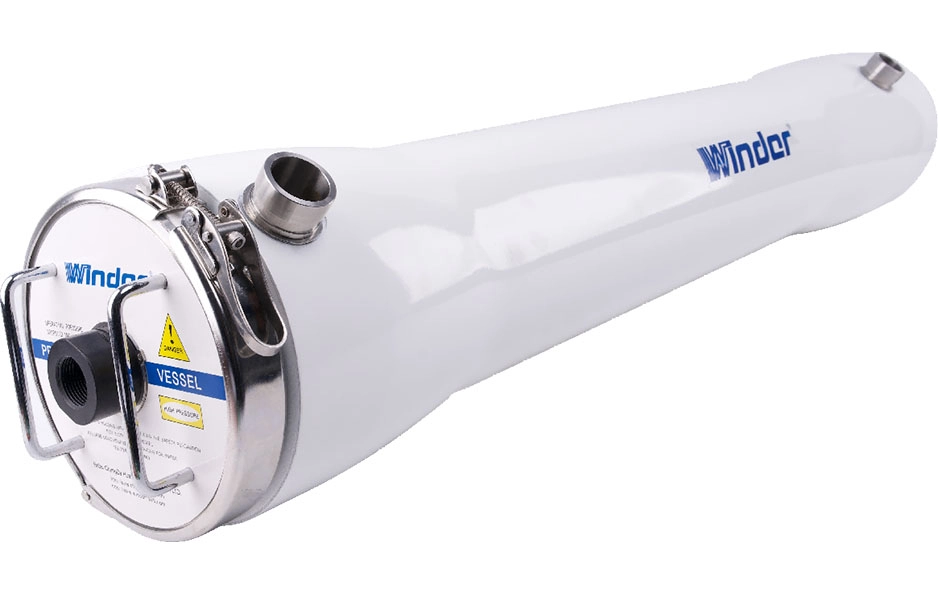
How Do They Differ in Mechanical Performance and Longevity?
PVC housings work fine for low-pressure tasks. However, they often warp or snap if they face too much stress or high heat for too long. In contrast, FRP housings stay in shape. Their composite layers are built specifically to handle high tension. The 4-inch quick-disconnect fiberglass reinforced plastic RO membrane housing provides great pressure resistance and a modern, fast-opening design. This strength leads to a much longer life. FRP often lasts several years longer than PVC, which saves you money over the long haul despite the initial price.
What About Chemical Compatibility and Environmental Resistance?
As both PVC and FRP are naturally rust-resistant, we take a closer look at their chemical compatibility. While PVC can only resist strong alkalis, FRP can handle a range of pH levels from 3 to 11. In addition to this, FRP is also extremely resistant to deterioration caused by exposure to sunlight and harsh weather. The smooth internal surface and specialized coating on our FRP pipes ensure that they are able to resist the effects of weak acids, salts, oils, and a variety of other solvents. This means that there is a real risk of blockage being caused by gunk in your water system being prevented, keeping your system clean and hygienic. PVC material can become soft when hot and brittle in sunlight, unless specific additives have been mixed into the material. On the other hand, UV-stabilized FRP is designed to maintain its strength in constant outdoor exposure to sun and is ideal for harsh applications in environments such as desalination plants and chemical factories.
Comparative Analysis: FRP vs Stainless Steel Membrane Housings
How Does Corrosion Resistance Affect Maintenance Requirements?
Stainless steel is famous for being physically tough, but it has a weakness. It can suffer from pitting corrosion when exposed to salt or acids, which are common in seawater desalination. FRP needs very little care because its surface does not react with these elements. While steel can use coatings to slow down rust, these coatings need frequent check-ups and repairs.
In comparison, the 8-inch offline membrane cleaning special FRP membrane housing shows how tough FRP is. It can handle being washed with acids and alkalis over and over without any damage. Stainless steel simply cannot do this without very expensive extra layers of protection.
What Are the Differences in Weight, Installation Ease, and Cost?
Because FRP is very light, it makes for a great option for large water projects that need to be shipped all over the country. The lighter material allows for ease of transportation and setup of the equipment as well as being cost-effective with the use of lighter material for the supports that stainless-steel vessels need. Heavy stainless-steel vessels require strong supports that increase the cost of the equipment. Also, with FRP, you can install the equipment in a matter of weeks as opposed to stainless steel, which requires more time to install as well as increased cost for the labor. In addition, stainless steel makes a great-looking vessel that is stiff at very high temps, but it is also very costly compared to the other composite options. When comparing cost to owning the equipment, for large water applications, FRP is by far the best option.
Operational Efficiency and Lifecycle Assessment
A lighter vessel helps save energy. Since the housing weighs less, the support frames don’t have to work as hard during pressure cycles. Also, at normal room temperatures, the thermal conductivity of FRP is quite low, around 0.15 to 1.36 W/(m·k). This is just a tiny fraction of what you see with metal. This insulation keeps heat from escaping during sensitive tasks like making ultrapure water or industrial cooling.
How Do Lifecycle Costs Compare Among Materials?
PVC might be cheaper at the start, but it doesn’t last as long. You will likely have to replace it often if your work is demanding. Stainless steel costs a lot upfront and needs constant watching to stop rust. Conversely, the long life and low maintenance of FRP housings lead to much lower total costs over time. For plants that run for decades, like city desalination sites, these savings add up to a huge boost in profit.
Application Suitability Across Industrial Sectors
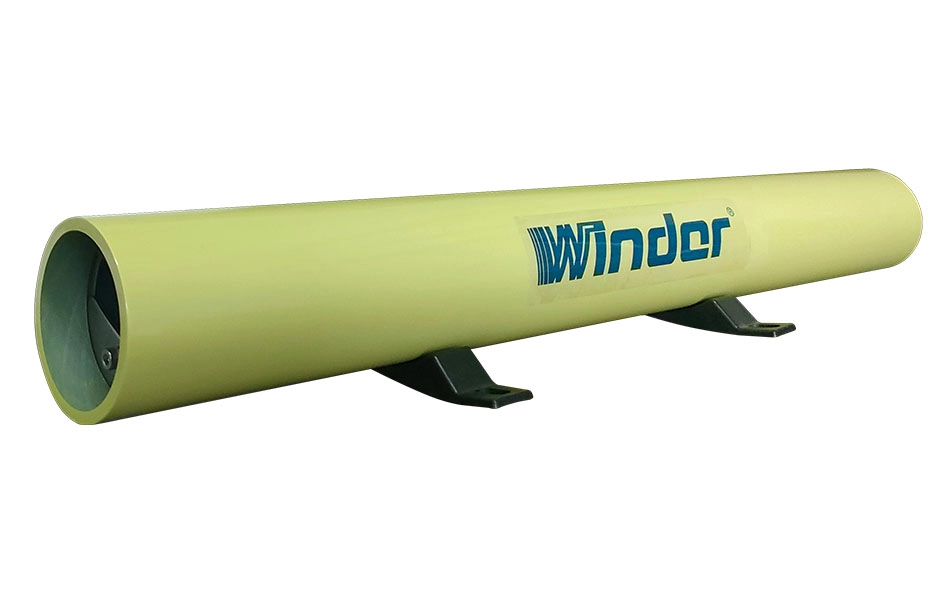
Where Does FRP Provide Distinct Advantages?
FRP is the best choice for places with harsh chemicals or shifting temperatures. You will see it often in desalination plants, wastewater units, and power stations. The 8-inch offline cleaning membrane housing is built specifically for washing membrane elements with strong acids or bases. Its clean surface stops bacteria from growing, which helps meet the strict rules for drinking water systems. For smaller setups like labs or commercial filters that need quick access, the 2.5-Inch end-to-end FRP membrane housing is a reliable, compact option that handles up to 300 PSI.
What Limitations Do PVC and Stainless Steel Face?
PVC fails if the pressure goes above 10 bar or if the heat rises over 49°C. At those levels, the risk of the housing losing its shape is too high. It can also break down in the sun. Stainless steel, while strong, struggles with “chloride attack” from salty water. This means you have to perform expensive treatments regularly to keep the metal safe, which raises your operating costs.
Advances in FRP Membrane Housing Technology
Which Innovations Enhance Performance Reliability Today?
New designs now use hybrid resin mixes. By combining epoxy with modified polymers, these housings can handle even more types of chemicals. The clever quick-opening end cover lets workers swap membranes without needing heavy tools.
How Do Sustainability Improvements Shape Modern Manufacturing?
Modern factories are moving toward greener methods. We use CNC-controlled winding to make sure we don’t waste any material. These vessels also take less energy to make. This fits perfectly with the global move toward green engineering and reducing carbon footprints in big infrastructure projects.
As a professional manufacturer focused on high-tech water solutions, Hedelong focuses on making certified FRP tanks and housings. We offer many sizes, including side-port (300–2000 PSI) models that meet CE and NSF standards. We have built our own unique products and tools, making us a top name in the fiberglass pressure vessel industry. Our goal is to provide reliable tools to the whole world through constant improvement and strict quality control under ISO 9001 and ISO 14001 rules.
If you need help with a specific project or want a custom setup for your facility, please contact us.
FAQ
Q1: Why should I choose an FRP membrane housing instead of stainless steel?
A1: It provides the same pressure strength but is much lighter and will never rust in salty water. This saves you a lot of money over time.
Q2: Can FRP housings handle aggressive chemical cleaning agents?
A2: Yes. The epoxy-glass mix is built to stand up to acids and alkalis. This makes them perfect for the tough cleaning cycles used with our 8-inch housings.
Q3: Are there customizable options available for different system scales?
A3: Yes. We offer everything from small 2.5-inch models to large industrial vessels that handle up to 2000 PSI, suitable for any water treatment job.