
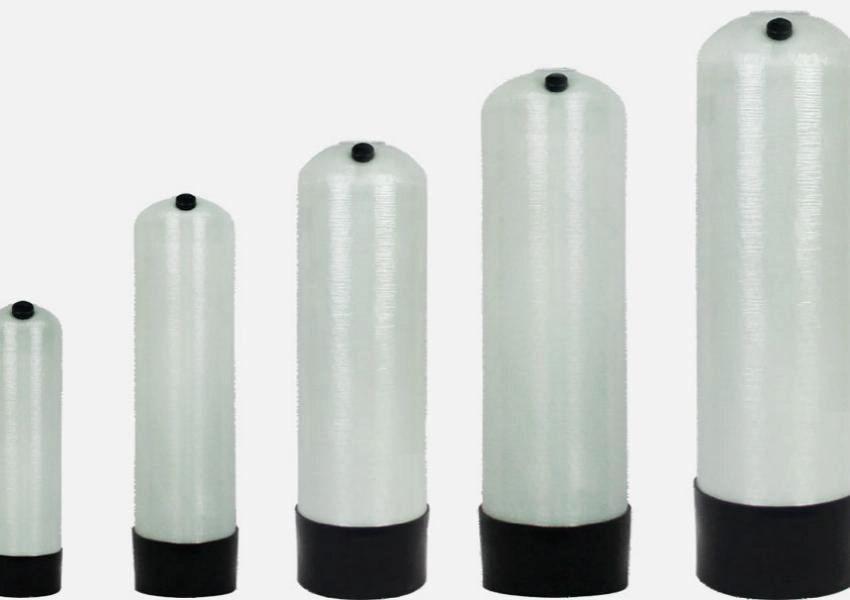
The use of FRP pressure vessel tanks has revolutionized modern industrial fluid management systems. These vessels, composed of advanced fiber-reinforced plastics, combine strength, chemical resistance, and lightweight design to meet demanding operational requirements across sectors such as water treatment, energy, and chemical processing.
What Defines the Composition and Structure of FRP Tanks?
FRP tanks are engineered from a composite matrix that integrates polymer resins with reinforcing fibers like glass, carbon, or aramid. This hybrid configuration achieves a high strength-to-weight ratio while maintaining exceptional corrosion resistance. Water contact materials are all food-grade materials; the inner shell is seamless polyethylene, while the outer shell consists of premium fiberglass embedded in epoxy resin. The combination of these materials ensures that the tanks remain non-toxic and meet hygiene standards for potable water applications. Different resin systems—epoxy, polyester, and vinyl ester—are selected based on chemical compatibility and performance requirements. For instance, epoxy-based composites offer superior mechanical stability under high pressure, while vinyl ester systems provide enhanced resistance to acids and alkalis commonly found in chemical processing environments.
How Has FRP Pressure Vessel Design Evolved?
The evolution from metallic tanks to FRP pressure vessels marks a significant leap in material science and manufacturing precision. Traditional steel structures were prone to corrosion and heavy maintenance costs. In contrast, filament winding and resin transfer molding techniques now allow for consistent fiber placement and optimized stress distribution throughout the vessel body. Glass-reinforced plastic (GRP) pipes are manufactured using the Continuous Filament Winding (CFW) process.
Material Selection and Structural Design Considerations
How Does Fiber Orientation Affect Structural Integrity?
The way fibers face decides how pulling forces spread through the tank’s layers. Builders lay the fibers in multiple directions, which balances the stretching forces around the tank with the pulling forces along its length. Doing this stops weak spots from breaking when the pressure goes up and down. Computer testing helps engineers find the best layouts, which makes the tanks last longer without adding extra, unneeded weight. In the end, you get a strong tank, which can handle high internal pressures and keep its correct shape for years.
Why Is Resin System Selection Crucial for Performance Enhancement?
The resin acts like a glue. It holds the fibers together, and it also protects the tank from wetness and harsh chemicals. You see these often in wastewater plants or ocean water treatment facilities. Builders must use the exact right mix of resin and fiber. This balance keeps the tank strong for a long time, and it also makes sure the tank stays tough but flexible when temperatures go up and down.
Which Design Parameters Govern Pressure Vessel Efficiency?
Several key details decide how well a vessel works, which include side stress, length stress, wall thickness, the shape of the ends, and safety limits. The shape of the end caps changes how heavy loads spread out. Round, spherical ends reduce tight stress spots. These spots could otherwise cause cracks when the tank faces repeated heavy loads. Also, the different layers must expand at the same rate when heated, which prevents the layers from peeling apart in changing temperatures. This is a very important feature for outdoor tanks or tanks holding hot liquids.
Performance Evaluation Under Operational Conditions
Checking a tank’s performance goes beyond simple lab tests, which includes real-world trials. These trials copy still weights, moving hits, rust damage, and weather changes.
How Do FRP Vessels Behave Under Mechanical Loads?
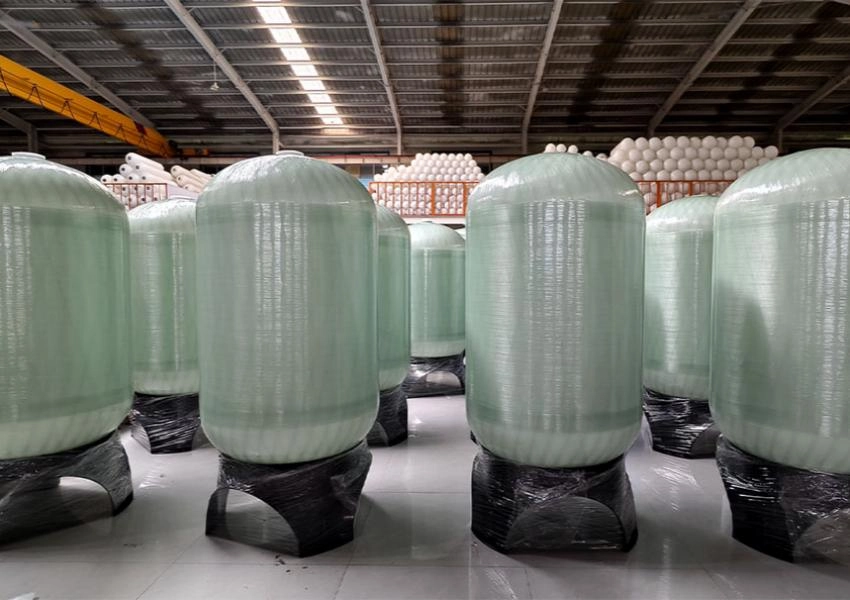
Burst tests prove the tank’s design limits. Testers slowly add more inside pressure until the tank finally breaks. Fatigue tests copy long-term, repeated loads. You see these loads often in industrial jobs, like water filter cleaning cycles or gas pressing systems. Hit tests check how tough the tank is against accidental bumps. These bumps might happen during shipping or setup.
Why Are FRP Tanks Superior Against Corrosion?
Builders can also paint special coatings on the outside. These coatings give extra sun protection, and they also stop gases from leaking in highly active chemical areas.
How Is Thermal Stability Maintained Over Time?
Heat cycle tests prove that the tank stays strong even when outside weather changes a lot. The tanks handle shifts between -17°F (-27°C) and 120°F (49°C) easily. The product operates safely within a normal range of 34–120°F (1–49°C). Special sun-blocking chemicals mixed into the resin stop light damage. This keeps the tanks safe outdoors for many decades.
Integration of FRP Pressure Vessels in Industrial Systems
FRP pressure vessels fit smoothly into many different industrial setups. They adapt easily to water treatment plants, power stations, and chemical storage sites.
Where Are FRP Pressure Vessels Commonly Applied?
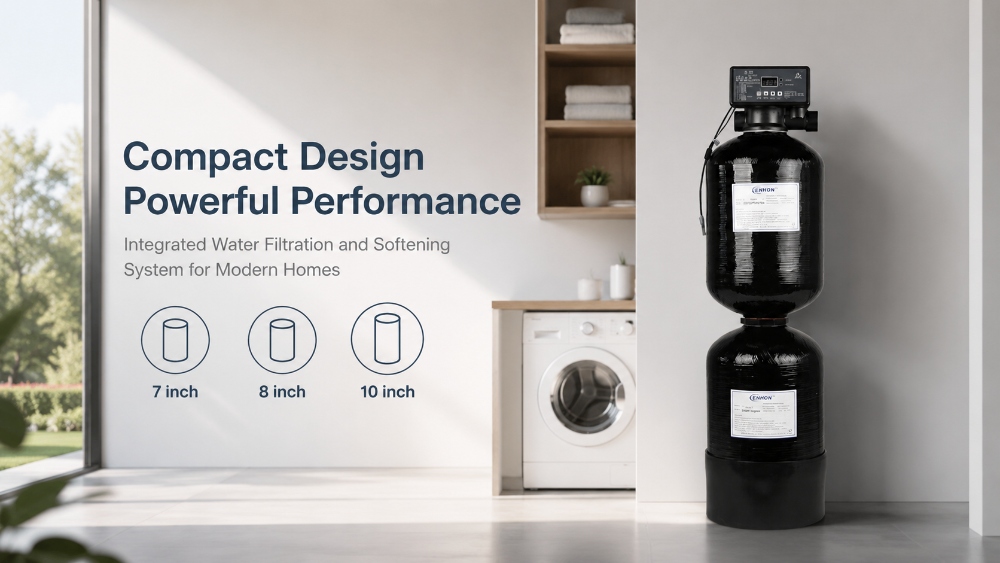
In water treatment plants, they work as filter holders or water softeners. They use safe, food-grade linings that meet strict drinking water rules. Chemical factories use them to store harsh liquids safely. The energy field uses them to hold compressed hydrogen or natural gas. In these jobs, having light but very strong materials is key for safety. Some setups are small and need multiple cleaning steps in tight spaces. For these needs, our FRP central integrated water treatment tank offers a great fix, which cleans and softens water inside just one vessel. This saves floor space, and it also keeps the different filter materials apart using smart dividing walls.
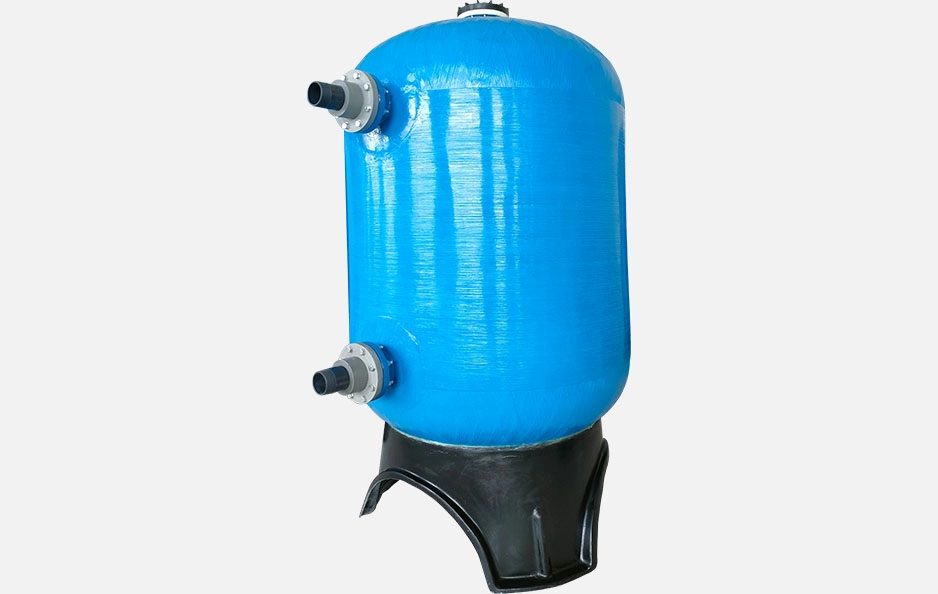
For small filter systems that need easy, by-hand material swaps, we offer the top-opening fiberglass reinforced plastic composite tank. It has a φ40 mm top port made from tough ABS plastic. It includes built-in rubber seals. These seals stop leaks completely, even if you open the tank many times. Factory users often need to change filter materials a lot. They get big benefits from our steel composite tank. This series features two flanged openings. These openings let workers reach inside directly without taking off any valves. This smart design cuts down on wasted time during routine upkeep.
Hedelong: Your trusted partner
At Hebei Hedelong Water Treatment Co., Ltd., we focus on making top-quality FRP pressure vessel tanks, membrane housings, water storage solutions, and complete water treatment systems. Our products carry CE and NSF marks. We also built many of our own products and factory machines. Because of this, we lead the water treatment FRP pressure vessel manufacturing industry. We always promise great quality and service. This ensures our global buyers get custom products. We build these products using smart engineering and strict ISO9001 factory rules.
Do you want to find custom composite options for your next job? Or do you need expert advice about our full line of FRP tanks and pressure vessels? If so, please contact us.
FAQ
Q1: What certifications ensure the reliability of your FRP pressure vessels?
A1: All our tanks meet CE and NSF rules. We also follow ISO9001 quality guidelines. This promises steady, safe results that meet global rules.
Q2: Can your FRP tanks handle both corrosive chemicals and potable water applications?
A2: Yes, they can. The smooth inside plastic layer is completely safe for drinking water. At the same time, the outside epoxy-fiberglass shell fights off acids and alkalis found in factory work.
Q3: How long can an FRP pressure vessel typically last under continuous operation?
A3: If you install and care for it using our guide, each tank can easily last over 50 years. They resist rust very well. They also survive over 100,000 heavy pressure cycles during testing, which proves their long-lasting strength.