
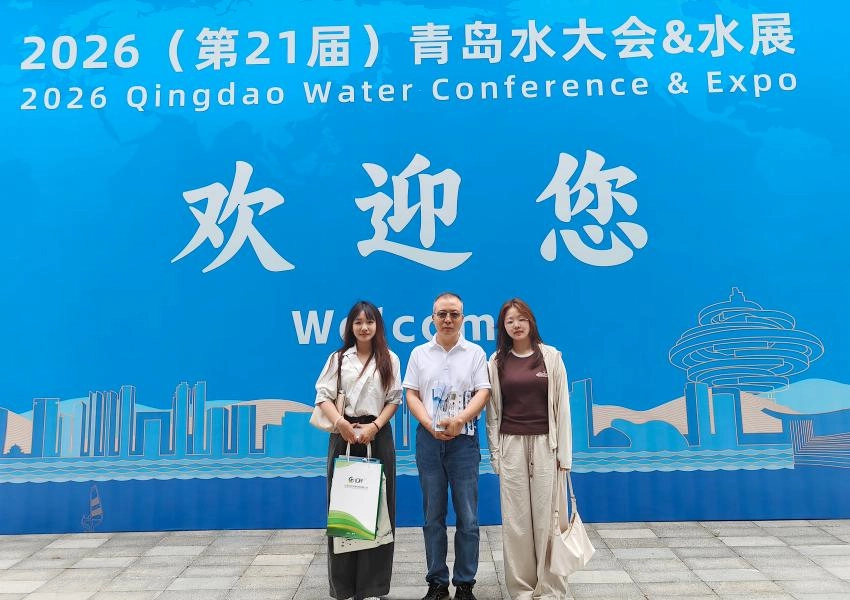
Trade shows in the water sector are busy by nature. Equipment runs, samples change hands, and technical questions arrive before a full introduction is finished. Yet the real value often appears in quieter moments: a buyer comparing vessel specifications, a distributor asking about delivery, or two suppliers discussing why a familiar component behaves differently in a new application. The 2026 Qingdao Water Conference & Expo brought all of those moments together. For Hedelong, the event offered a useful setting to present water treatment equipment, FRP tanks, membrane housings, and related accessories while speaking directly with the people who select, install, distribute, and maintain them. The exhibition was not simply a display of products. It was a close look at what the market is asking for now.
Products Drew Attention, but Applications Started the Conversation
A tank or membrane housing can look straightforward from across an exhibition aisle. Buyers know the decision is rarely that simple. Working pressure, corrosion resistance, port layout, connection size, membrane compatibility, installation space, and service conditions all affect whether a component fits the project. That is why application cases mattered alongside the physical products at the show.
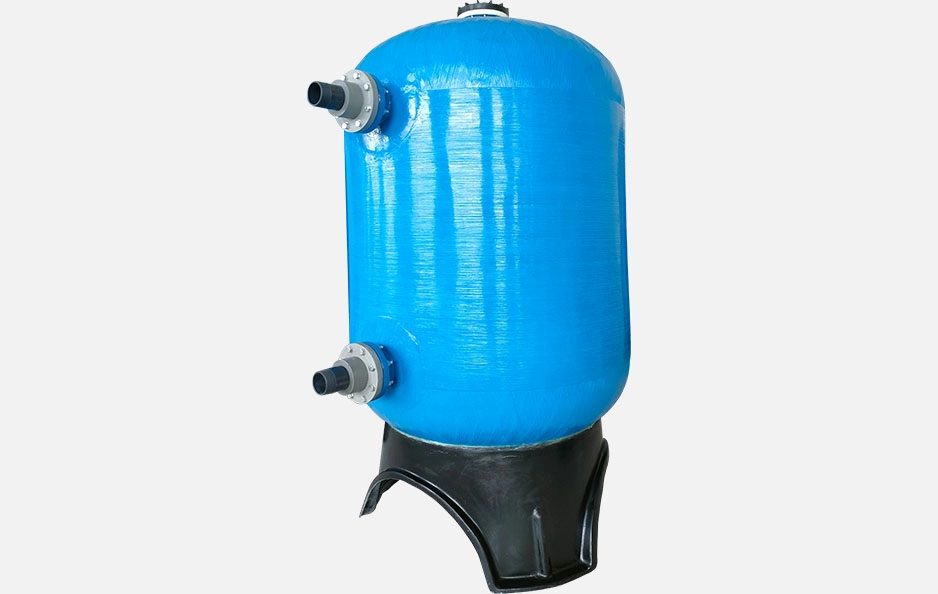
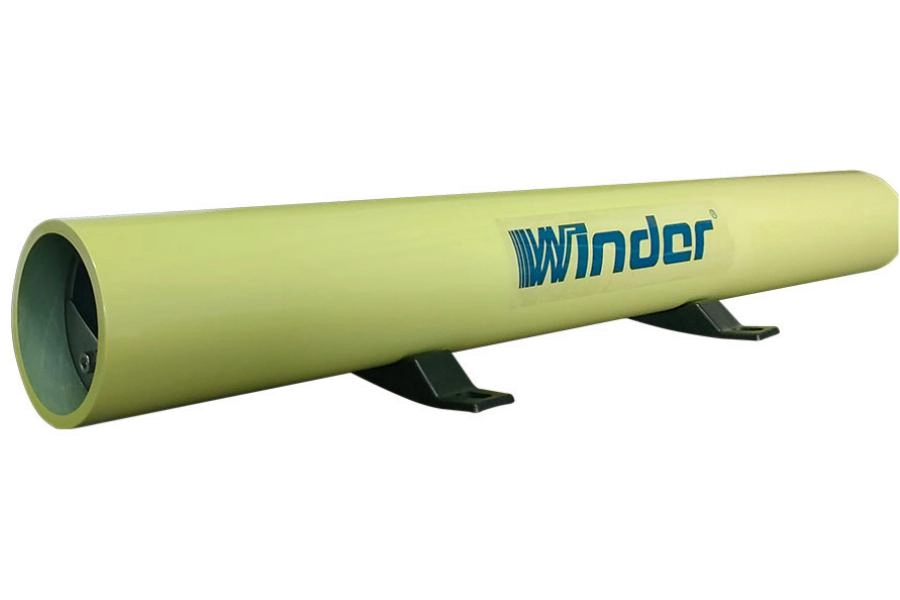
Hedelong presented the technical strengths of its core product range through practical use scenarios rather than broad claims. FRP tanks attracted interest from visitors working with filtration, softening, demineralization, and other treatment processes. Membrane housings opened discussions about reverse osmosis system design, pressure ratings, vessel length, and long-term maintenance. Accessories also received careful attention, especially from buyers who deal with replacement schedules or need several parts to arrive as one workable package.
Overseas Buyers Brought Practical Questions to the Booth
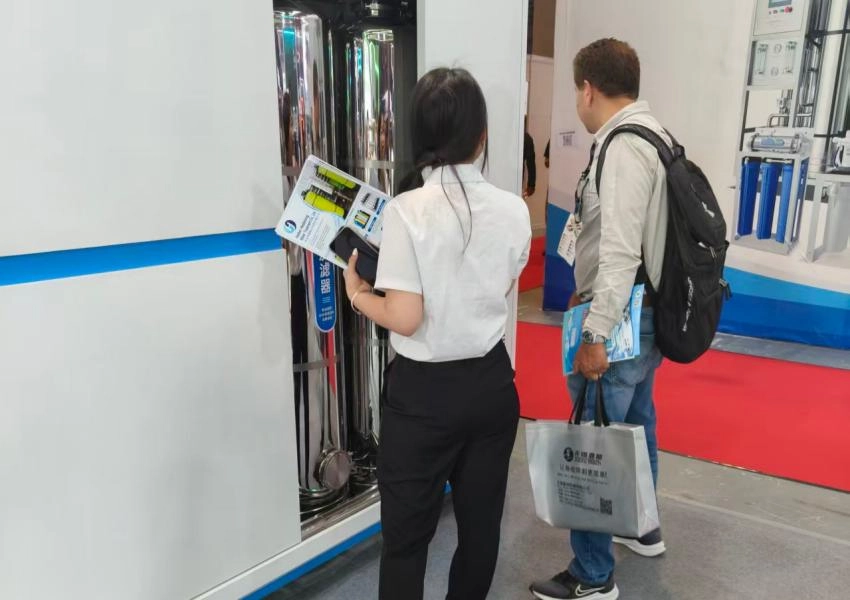
International visitors gave the exhibition a wider commercial view. Their questions reflected different climates, water conditions, certification needs, installation habits, and buying cycles. Some were exploring a new supplier. Others were comparing products for an active project or looking for a range that could support local distribution.
Those exchanges moved beyond a quick brochure handoff. Buyers wanted clear product data and direct answers. They also paid attention to response speed, export experience, packaging, documentation, and the ability to keep specifications consistent across repeat orders. These details can decide whether a technically suitable product becomes a dependable part of the supply chain.
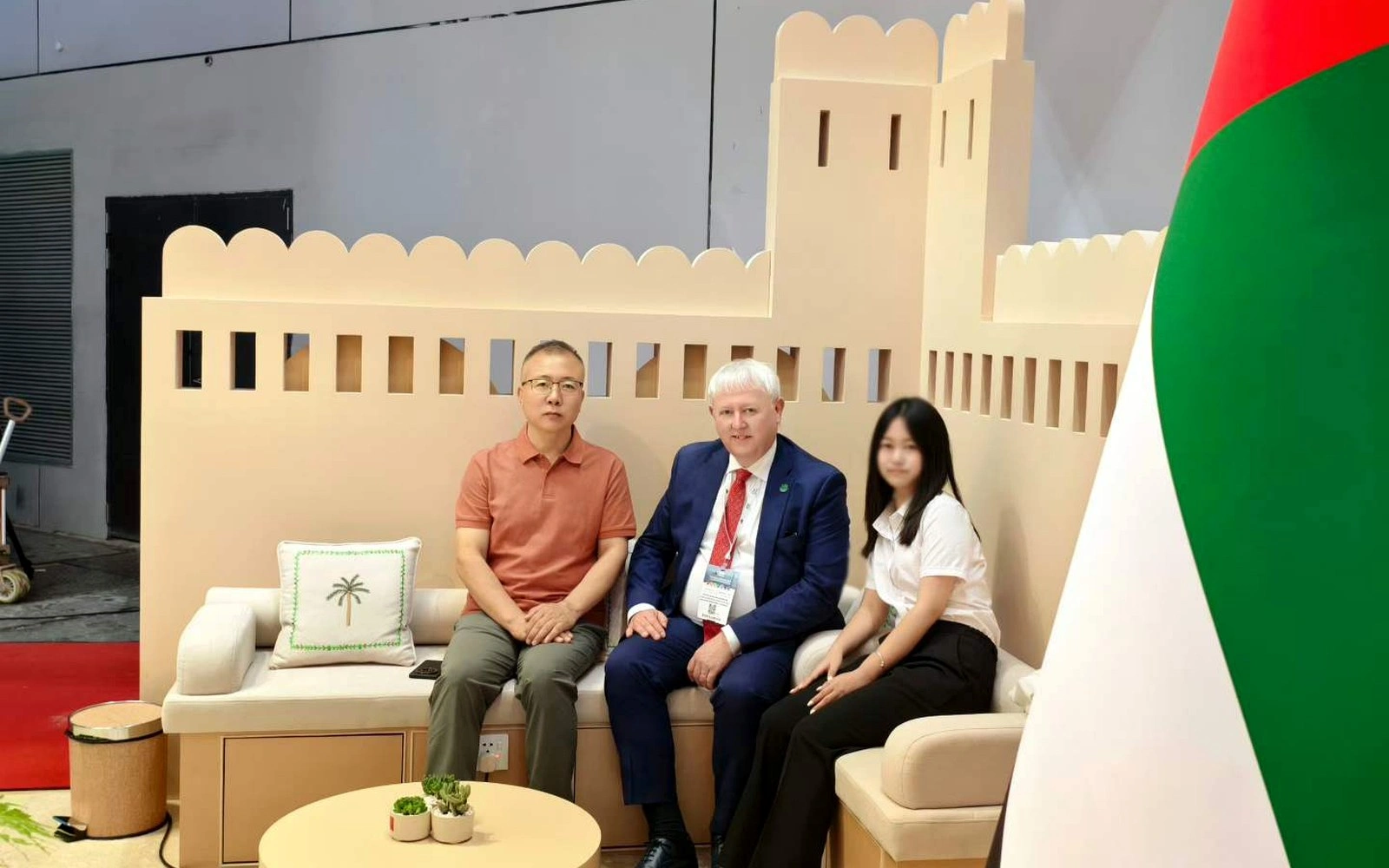
Several promising contacts were made during the event, including conversations with visitors from different countries and regions. Contact details were exchanged for later discussion, creating a practical base for sample requests, quotations, drawings, and project review. No exhibition conversation replaces careful follow-up, but a face-to-face meeting gives both sides something that an email thread often lacks: a quicker sense of how the other party works.
For a manufacturer serving overseas markets, that matters. Buyers are not only selecting equipment. They are judging whether communication will remain clear when an order changes, a technical point needs checking, or a shipment date becomes important.
What Did Industry Peers Say About Technology and the Market?
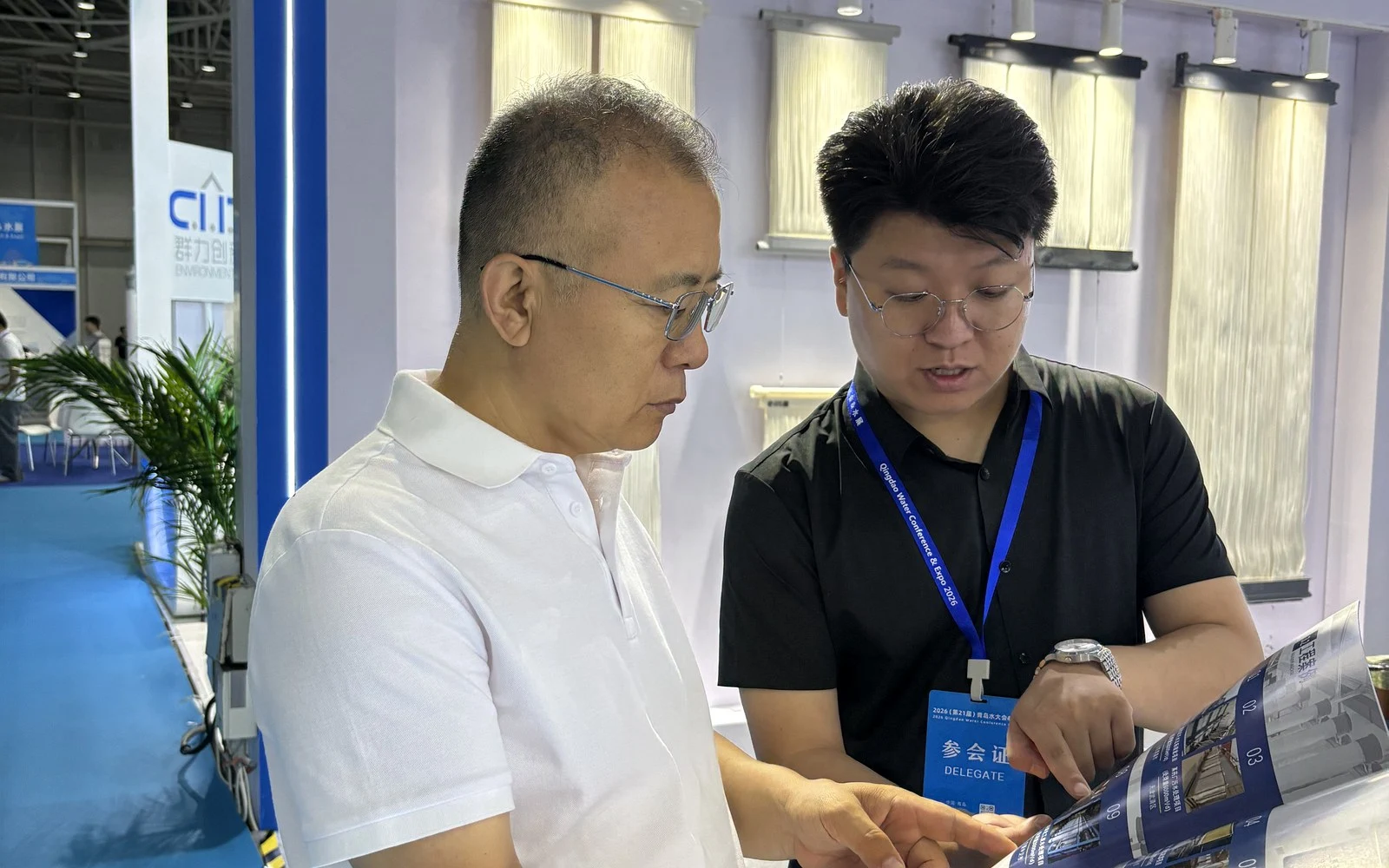
Conversations with other manufacturers and industry specialists added another layer to the event. These meetings were candid and useful. Technical routes, market demand, material choices, production challenges, and changes in project requirements all came into the discussion.
The water treatment market is not moving in one direction. Large industrial systems still need strong, proven components, while smaller commercial units often call for compact layouts and simpler maintenance. Some projects place heavy weight on price. Others care more about service life, delivery stability, or the availability of matching accessories. Export markets add further differences, from connection standards to paperwork and local purchasing habits.
Such variety makes trade shows valuable. A supplier can compare notes with people facing similar production and market pressures, then test internal assumptions against what buyers and peers are actually saying. The point is not to copy every trend. It is to separate short-lived noise from changes that deserve attention.
At Qingdao, the clearest message was practical: product quality remains the entry ticket, but dependable supply and straightforward technical communication increasingly shape the final choice.
Supply Chain Reliability Remained Part of the Product
Supply chain topics appeared repeatedly during discussions. Raw material changes, production planning, delivery windows, packaging, and replacement support may sound separate from product performance, yet buyers often experience them as one package. A reliable vessel delivered late can still hold up a system build. A small accessory missing from the shipment can create a larger problem at the installation site.
This is especially relevant for distributors and system builders. Their schedules depend on predictable specifications and repeatable availability. Sudden changes create extra inspection, revised drawings, and uncomfortable conversations with end users. The strongest supplier relationships therefore rest on more than a competitive quotation. They need stable production, honest lead times, careful checking, and useful communication when conditions change.
The event reinforced the value of treating those basic disciplines seriously. They may receive less attention than a new material or product feature, but they often determine whether a first order becomes regular business.
New Contacts Created Work for the Weeks Ahead
An exhibition ends when the hall closes, but commercial value develops later. Business cards and new contacts must be sorted, questions need specific answers, and each lead needs a sensible next step. A distributor asking about a broad product range should not receive the same follow-up as an engineer checking one pressure vessel for a defined project.
The contacts made in Qingdao now provide a starting point for more focused discussion. Product selection, technical files, quotations, samples, and possible cooperation can move forward according to each buyer’s actual needs. The event also raised Hedelong’s visibility among customers and industry peers, which supports future conversations even when an immediate order is not on the table.
A Clear Direction After Qingdao
The 2026 Qingdao Water Conference & Expo offered more than foot traffic and photographs. It brought product feedback, international contacts, peer discussion, and a sharper view of the pressures facing water treatment buyers. The most useful lesson was simple: strong products still need clear information, steady delivery, and people who can respond when a project becomes specific.
Hedelong will continue to focus on product quality, practical service, and careful development across FRP tanks, membrane housings, water treatment equipment, and matching accessories. The conversations started in Qingdao now have room to become quotations, trials, distribution plans, and lasting cooperation. That is where the real result of an exhibition begins.