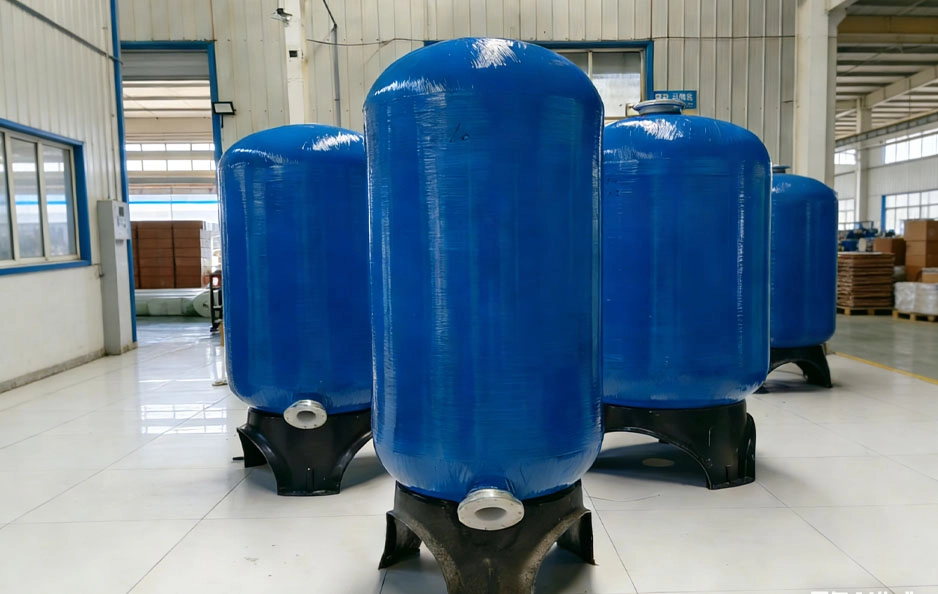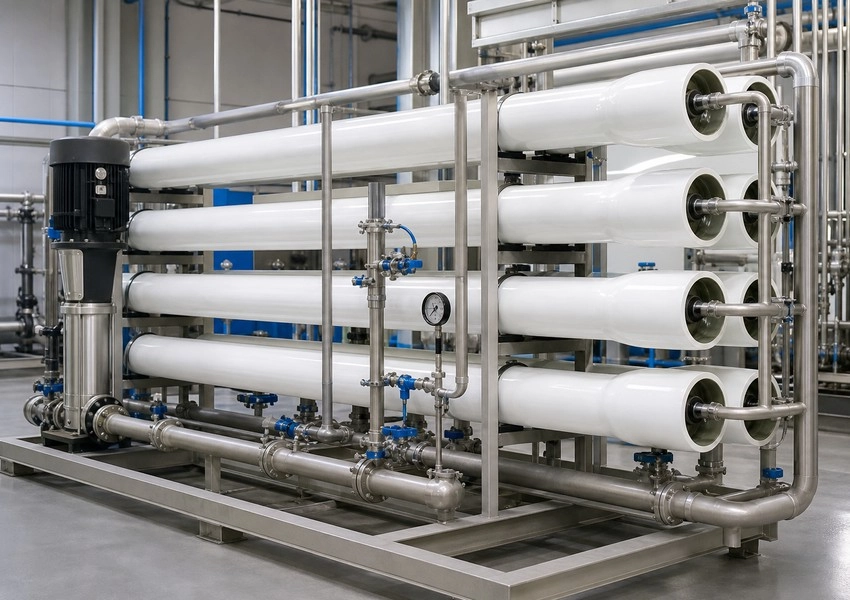

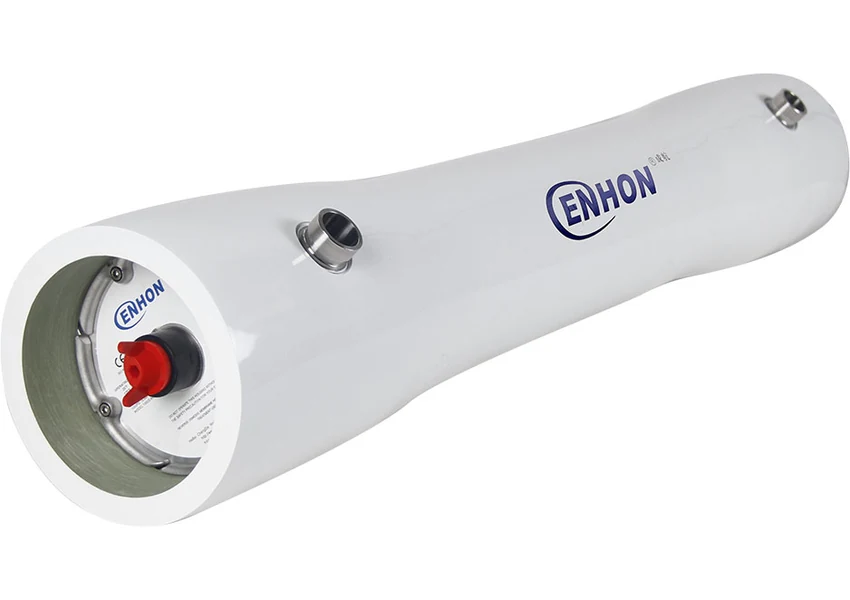
Choosing a pressure vessel starts long before a buyer asks for a price. The water source, pump design, membrane model, recovery target, pipe layout, and service habits all shape the final choice. A brackish water skid running at moderate pressure does not need the same vessel as a seawater desalination line. A housing that looks strong on paper can still be wrong if the ports, element count, or maintenance space do not fit the skid. For buyers comparing Hedelong FRP vessels, the useful question is which RO membrane housing pressure rating gives enough working margin without adding needless cost or installation trouble.
Start With the Water Source, Not the Vessel Label
Pressure ratings are easy to compare because the numbers look clear. Real RO projects are messier. Brackish water often has lower salinity, so the required operating pressure is usually more moderate. Seawater has a higher salt load and normally needs stronger pumps, tighter control, and a vessel class built for high-pressure service. Industrial reuse and difficult process streams can sit between those two ends.
A pressure rating should be treated as a design boundary, not the daily operating target. During start-up, flushing, fouling, valve movement, or an operator mistake, pressure can rise for short periods. Those moments matter. A vessel with too little margin may hold during early commissioning, then start showing seal fatigue, end-cover trouble, or uneven operation later. A vessel with far more rating than the project needs may only add weight, cost, and bulk.
The practical route is simple: confirm normal operating pressure, maximum pressure, cleaning pressure, water temperature, pH range, and expected pressure fluctuation. Then select the housing around those numbers. Hedelong product covers FRP membrane housing pressure classes from low-and mid-range brackish water work to high-pressure desalination duty, so the choice can be narrowed around real duty instead of a broad guess.
Where 300, 600, 1000, and 2000 PSI Usually Fit
A 300 PSI pressure vessel is often considered for lower-pressure brackish water, commercial water treatment, small industrial RO, pilot systems, and purification lines where feedwater quality is steady. It can be a sensible choice when the operating pressure stays comfortably below the rating, and the system does not face aggressive recovery targets. It is not the right answer for high-salinity desalination, but it can keep a modest project economical.
A 600 PSI RO vessel gives more headroom. That extra room can matter when brackish water salinity is less stable, the system has frequent start-stop cycles, or the buyer wants a stronger housing without moving into the much heavier high-pressure range. It is also a common middle path for small industrial projects where future feedwater changes are possible.
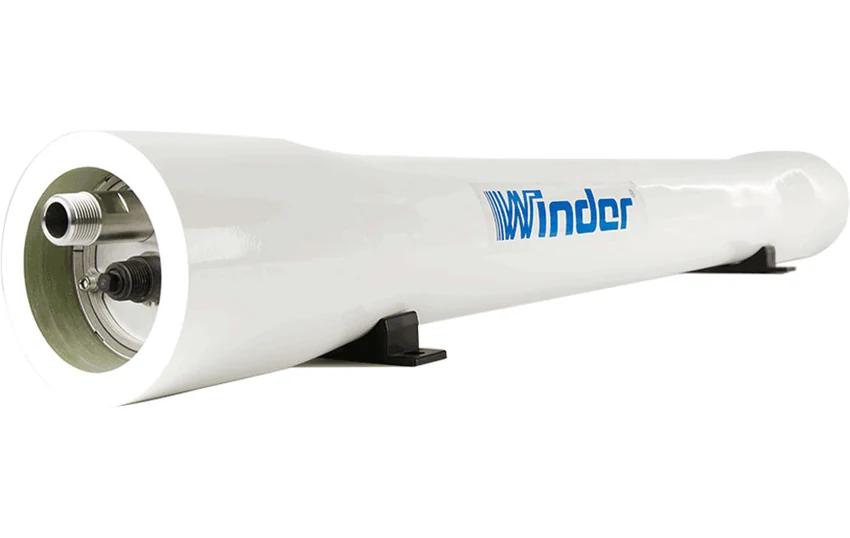
A 1000 psi membrane housing belongs in a more demanding conversation. It may fit seawater-related systems, high-salinity brackish water, industrial reuse, or special separation duties, but only when the rest of the skid is designed for that level. Pumps, adapters, seals, clamps, piping, instruments, and safety valves must all match. The vessel cannot carry the whole pressure decision alone.
A 2000 PSI RO pressure vessel is narrower still. It is mainly used in severe high-pressure industrial or seawater desalination layouts, often in larger 8-inch configurations. A stronger rating sounds attractive, but it should not become a default answer for every seawater inquiry. If the membrane design and pump curve do not require it, that rating may simply be overbuilt.
Match Pressure Rating With Vessel Size and Port Layout
The RO membrane housing range includes 4-inch and 8-inch vessels with end port and side port structures. Diameter and port layout have a direct effect on skid design. Pressure class is only one part of the purchase.
4-inch Vessels for Compact Systems
A 4-inch housing is usually selected for commercial drinking water equipment, compact RO skids, laboratory water, food and beverage lines, and smaller industrial desalination systems. The 4–inch end-to-end FRP RO membrane housing supports 1 to 4 elements and pressure choices from 300 to 1200 PSI. End port designs keep the connection path straightforward, which helps when the frame is compact and the piping route is simple.
Side port versions are useful when the skid needs a cleaner pipe run from the side or when end clearance is tight. For a small system, that layout decision can save a lot of service trouble later. Before ordering a 300 PSI pressure vessel or a 600 PSI RO vessel, the buyer should check where the feed, concentrate, and permeate lines will actually sit inside the frame.
8-inch Vessels for Larger Flow and Higher Pressure
An 8-inch vessel is usually chosen when the project needs higher flow or longer membrane arrays. The 8–inch side-contact FRP RO membrane housing is useful for parallel vessel banks, side piping, and larger industrial skids. Supported 8-inch side port series can cover low-pressure classes such as 300, 450, and 600 PSI, and high-pressure classes up to 2000 PSI in the high-pressure range.
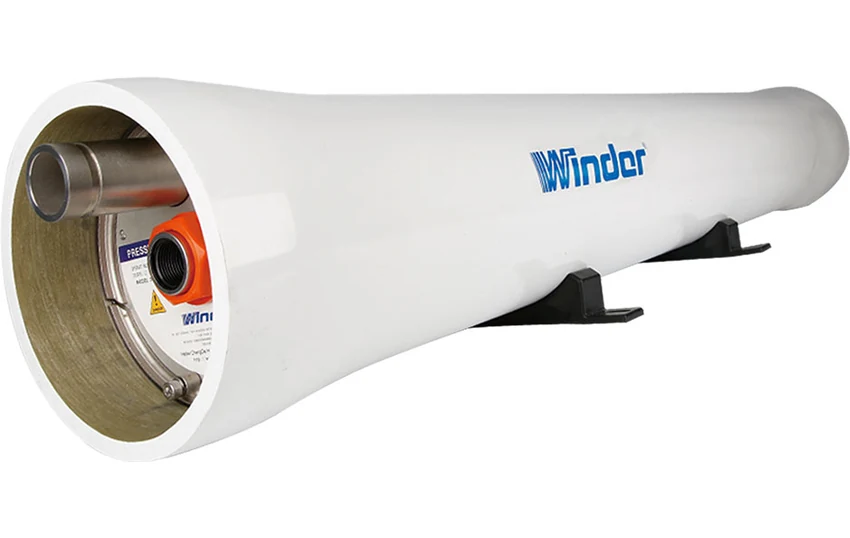
The 8–inch end-to-end FRP RO membrane housing is another option for large industrial RO, brackish water desalination, seawater desalination, and high-purity water projects where the system layout favors end connections. In either port style, pressure rating should be checked together with element quantity, feed and concentrate port size, permeate outlet type, and available maintenance clearance.
Check the Real Operating Margin Before Ordering
Good selection work is not complicated, but it does require discipline. Start with the membrane pressure requirement and the pump curve. Add the normal operating range, maximum possible pressure, cleaning conditions, and possible spikes during start-up or valve switching. Then compare those values with the vessel rating and the test basis.
Hedelong’s FRP membrane shell information lists common pressure classes such as 150, 300, 450, 600, 800, and 1000 PSI in standard membrane housing selections. Product information also refers to hydrostatic testing at 1.5 times standard pressure, cyclic pressure testing, and burst pressure at six times design pressure for supported series. Those numbers are useful because RO equipment rarely works in perfect, steady conditions.
Temperature and chemistry should not be skipped. Supported membrane shell series list pH 3 to 11 and operating temperatures from minus 10 degrees C to 66 degrees C. Those boundaries should be compared with the water analysis, cleaning program, and site conditions.
Supplier Details That Protect the Project After Delivery
A correct RO membrane housing pressure rating reduces risk, but supplier details finish the job. Ask for drawings, element count, port direction, connector type, seal structure, end-cover details, and accessory availability before confirming the order. If the project mixes several pressure classes or uses a compact frame, ask for layout confirmation early. A small mismatch in port direction can create expensive rework after the skid frame is welded.
Hedelong supplies FRP tanks, membrane housings, brine tanks, dosing tanks, water storage tanks, distributors, water filters, softeners, valves, and controllers for water treatment projects. Its membrane housing line includes 4040 and 8040 selections, side port and end port options, standard white color, custom color choices, and special specification support when needed. Certifications and management references include CE, NSF, ISO9001, domestic hygiene licensing, ISO14001, ASME, and AEO.
The best choice is usually not the vessel with the largest label. Brackish water systems often land around 300 to 600 PSI when the operating data supports it. Seawater and tougher industrial systems may need a 1000 psi membrane housing or higher. A 2000 PSI RO pressure vessel belongs to demanding high-pressure layouts, not routine RO work. Start with the water, then the working pressure, then the vessel size, ports, and service access. That order keeps the purchase grounded in the system instead of the catalog.
FAQ
Q1: Is a higher RO membrane housing pressure rating always better?
A1: No. A higher rating can add cost, weight, and installation demands without improving the system. The rating should match the real operating pressure, expected spikes, membrane design, and skid components.
Q2: When should a project choose a 600 PSI RO vessel instead of a 300 PSI pressure vessel?
A2: A 600 PSI class is worth considering when brackish water salinity is higher, pressure fluctuation is expected, recovery targets are more demanding, or the buyer wants more room than a 300 PSI class can provide.
Q3: Is a 2000 PSI RO pressure vessel suitable for every seawater system?
A3: No. It is mainly for demanding high-pressure industrial or seawater desalination layouts, especially larger 8-inch systems. Many seawater projects can use lower high-pressure ratings when the design supports them.