

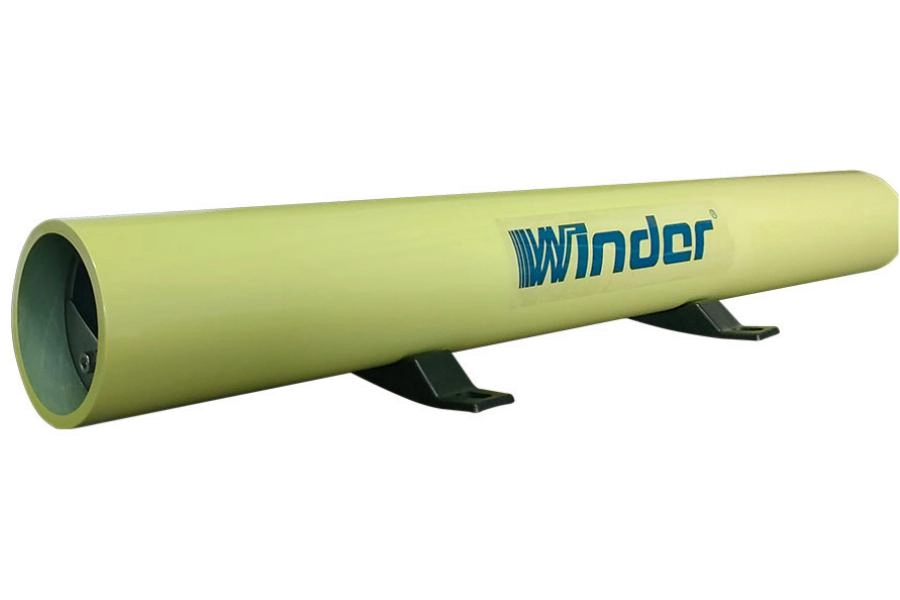
In modern water treatment technology, FRP (fiber-reinforced plastic) has emerged as one of the most efficient materials for pressure vessels and membrane housings. Its unique combination of strength, durability, and corrosion resistance makes it ideal for demanding filtration environments. The product is automatically poured and formed by microcomputer control. The main materials are epoxy resin and fiber materials processed using special technology, so the finished product offers unmatched advantages over ordinary steel, plastic, and other materials in terms of pressure resistance, temperature resistance, and corrosion resistance. This ensures a consistent structural integrity even under high operating pressures.
Furthermore, FRP’s low thermal conductivity—only about 1/200 that of metal—provides excellent insulation properties that protect sensitive reverse osmosis membranes from external temperature variations. The combination of glass fiber and epoxy resin also forms a naturally corrosion-resistant structure that remains stable against acids, alkalis, salts, oils, and solvents. These properties collectively enhance the service life of filtration systems while reducing maintenance frequency.
The Structural Role of Membrane Housings in Reverse Osmosis Systems
Membrane housings serve as protective barriers for RO membranes against mechanical stress and chemical exposure. Their design directly influences flow distribution, sealing performance, and overall system reliability. The 4-inch side-connected fiberglass-reinforced plastic (FRP) RO membrane housing is made of high-strength glass fiber-reinforced plastic (FRP), featuring excellent pressure resistance and corrosion resistance. Properly engineered housings maintain uniform hydraulic conditions within the vessel, ensuring optimal permeate quality across all elements.
When integrated into reverse osmosis systems, these housings sustain continuous operation at pressures up to 2000 PSI without deformation or leakage. This level of robustness contributes to improved operational stability and extended membrane lifespan—critical factors for industrial desalination or ultrapure water production.
Key Characteristics Defining High-Quality FRP Membrane Housings
Mechanical and Chemical Performance Parameters
Their mechanical endurance and chemical inertness define high-quality FRP membrane housings. It passes 100,000 cyclic pressure tests with a burst pressure six times the design pressure. Such testing confirms reliability under fluctuating operational conditions. Chemical resistance to acids, bases, UV exposure, and saline environments ensures consistent performance even in corrosive industrial applications.
Additionally, compatibility with standard 2.5 inch, 4 inch, or 8 inch membrane elements simplifies integration into existing systems. For example, the 2.5-inch RO membrane housing offers universal compatibility with 2514/2521/2540 elements while maintaining compactness for small-scale RO setups.
Design Considerations for Operational Efficiency
Good design makes maintenance easier and saves energy in filtration systems. Smooth inside walls lower the chance of dirt buildup. They also reduce pressure drops along the housing. The end cover uses a standard design. You can open it quickly with a special tool. This helps with putting in, checking, and changing membrane parts. Also, modular setups let you grow from simple lab units to large industrial arrays. This is a very important feature for growing your work without big redesigns.
The Role of FRP Membrane Housing Suppliers in System Optimization
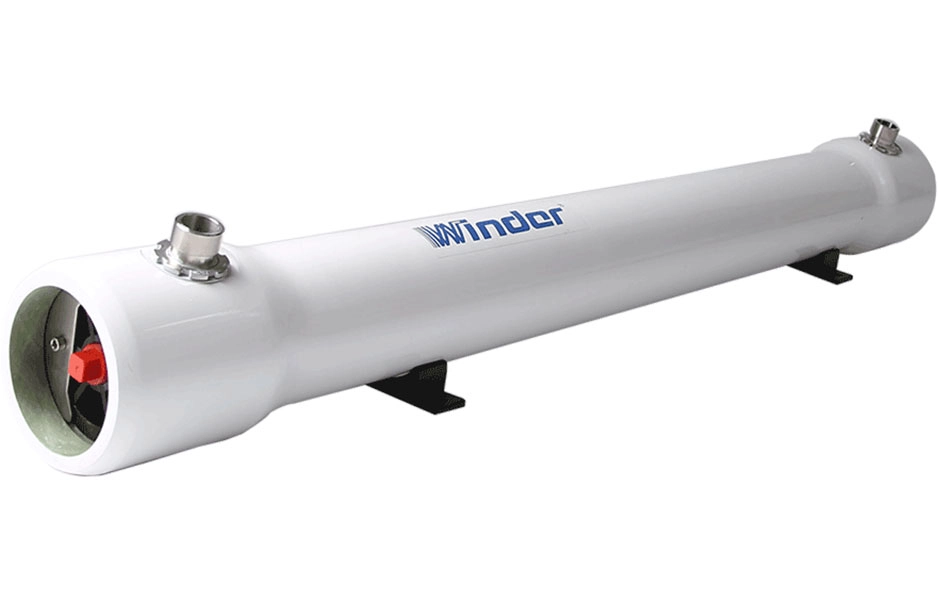
Supplier Expertise in Material Selection and Manufacturing Processes
Reliable FRP membrane housing suppliers play a decisive role in ensuring structural consistency through advanced manufacturing technologies such as CNC-controlled filament winding and precision curing processes. Advanced filament winding techniques enhance structural consistency. Suppliers also enforce stringent quality control measures to verify dimensional accuracy and leak-proof assembly before delivery.
At Hedelong, we provide housings designed according to JC692-1998 standards with hydrostatic tests conducted at 1.5 times the rated pressure to guarantee safety margins suitable for both municipal water treatment plants and industrial desalination facilities.
Collaboration Between Suppliers and System Integrators
Close teamwork between suppliers and integrators brings custom answers for specific process needs. This helps whether you are improving flow patterns or fixing chemical mixing issues. Our team assists clients in selecting appropriate housing based on capacity needs and environmental factors while maintaining compliance with international standards such as ASME or ISO9001 certifications.
This cooperative approach ensures seamless integration across diverse applications—from compact commercial purification modules using 4-inch side-entry FRP RO membrane housing to large-scale seawater desalination systems employing 8-inch RO membrane housing.
Evaluating FRP Membrane Housing Suppliers: Criteria for Selection
Technical Capabilities and Production Standards
When evaluating potential FRP membrane housing suppliers, attention should be paid to their technical competence and adherence to global standards. The products have passed CE certification, NSF certification, and the international ISO9001 quality management system certification. In-house testing facilities capable of simulating field conditions further validate fatigue resistance under cyclic loading. Suppliers using modern resin mixes get better wear resistance. They also lower weight-to-pressure ratios. These are key points that affect long-term cost savings.
Supply Chain Reliability and After-Sales Support
Reliable supply chains ensure the timely delivery of standard sizes without project delays. Comprehensive documentation accompanying each unit supports accurate installation procedures while minimizing commissioning errors. Moreover, responsive technical support throughout operation enhances uptime by providing prompt troubleshooting guidance—a hallmark feature emphasized across our service portfolio at Hedelong’s contact page.
Advancements Driving Innovation Among FRP Membrane Housing Suppliers
Integration of Smart Monitoring Technologies
New trends among top FRP membrane housing suppliers include putting sensors inside vessel walls. These sensors watch key points like inside pressure or spot leaks in real time. These new ideas allow for early maintenance plans. Such plans make the product last longer. They also stop at sudden breaks. This is a huge step forward for non-stop industries like power generation or chip building.
Sustainable Manufacturing Practices in FRP Production
Eco-friendly methods are now a big part of modern composite making. Manufacturers use more recyclable resin systems. They pair these with energy-saving curing ways. These match global green goals. At the same time, they keep their physical strength strong across many working cycles.
The Impact of Supplier Partnerships on Filtration Efficiency Outcomes
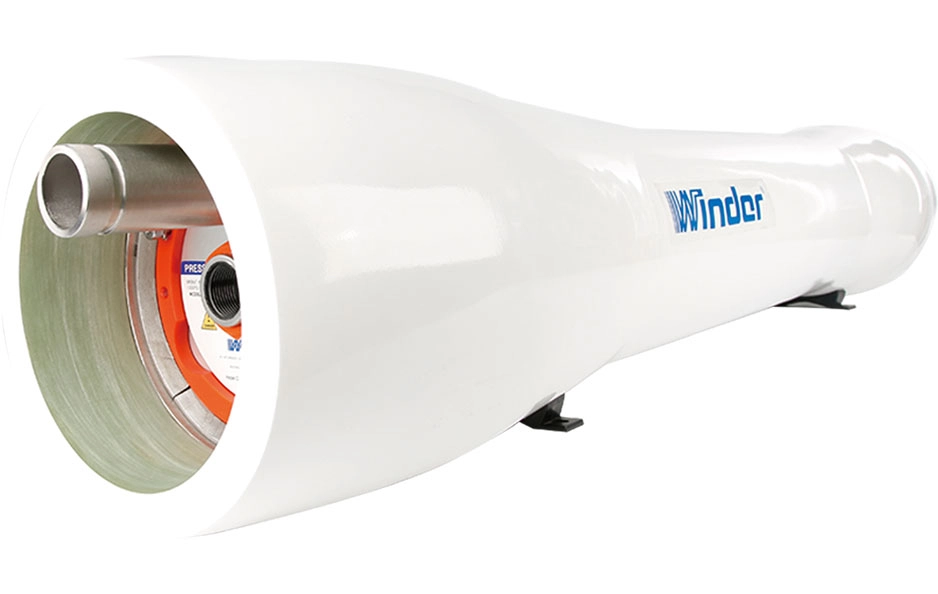
Enhancing System Performance Through Material Innovation
New materials are central to making filtration work better at all sizes. Modern composite mixes blend light shapes with amazing pulling strength. This allows for higher working pressures. It does this without hurting safety levels or raising energy costs for each cubic meter of treated water. Better sealing parts also play a huge role. Double O-ring designs stop tiny leaks around end caps. This makes sure the permeate stays pure, even after long use in highly salty conditions.
Long-Term Economic Benefits of Working with Reliable Suppliers
Working with trusted suppliers brings clear financial benefits over time. Less break time from strong builds lowers the total cost of ownership (TCO). Meanwhile, better output turns directly into lower energy use for each treated amount. This is a huge point as running costs go up around the world.
About Hedelong
Hebei Hedelong Water Treatment Equipment Co., Ltd., is a high-technology enterprise specializing in water treatment equipment, including FRP tanks, dosing tanks, brine tanks, controllers, distributors, softeners, valves, filters, and storage tanks—and particularly high-performance FRP membrane housings designed for industrial-grade reverse osmosis systems worldwide. We hold CE, NSF, and ISO9001 certifications along with domestic hygiene approvals, ensuring compliance across markets spanning more than 150 countries, with over two decades of experience.
For further consultation regarding customized solutions or project-specific recommendations about our FRP membrane housing series or related accessories tailored to your operational requirements, please reach out through our contact page, where our technical specialists are ready to assist you comprehensively.
FAQ
Q1: What distinguishes FRP from stainless steel when used for RO membrane housings?
A1: FRP provides comparable mechanical strength but significantly higher corrosion resistance at lower weight compared to stainless steel; its thermal insulation properties also protect membranes from temperature-induced stress variations during continuous operation cycles.
Q2: How do I choose between side port and end port configurations?
A2: Side port designs offer flexible piping layouts ideal for compact installations or parallel configurations; end port models support streamlined serial connections preferred in large-scale modular plants requiring minimal footprint per unit throughput capacity.
Q3: Are custom color options available for industrial projects?
A3: Yes—standard colors include white, but customization is available upon request, allowing alignment with facility aesthetics or identification protocols without affecting structural performance characteristics defined by international manufacturing standards.