
Việc lựa chọn nhựa cho các bể chứa hóa chất bằng sợi thủy tinh gia cường (FRP) không hề dễ dàng. Một bể có thể trông có vẻ phù hợp về đường kính, thể tích và bố trí vòi phun, nhưng hệ thống nhựa không phù hợp vẫn có thể dẫn đến ăn mòn lớp lót, mùi khó chịu, nguy cơ rò rỉ hoặc ngừng hoạt động sớm. Đối với người mua lưu trữ axit, kiềm, muối, hóa chất xử lý nước thải, chất phụ gia trong quy trình sản xuất hoặc hỗn hợp chất lỏng, câu hỏi thực sự không chỉ đơn giản là liệu FRP có chống ăn mòn hay không. Câu hỏi là loại nhựa, lớp lót và cấu trúc nào phù hợp với điều kiện cụ thể của chất lỏng và địa điểm sử dụng.
Việc lựa chọn nhựa FRP phù hợp bắt đầu từ sự cân nhắc kỹ lưỡng. Tên gọi của chất kết dính chỉ là bước đầu tiên. Nồng độ, nhiệt độ hoạt động, hóa chất tẩy rửa, tần suất nạp đầy, tiếp xúc với ánh nắng mặt trời và hơi bị giữ lại đều ảnh hưởng đến câu trả lời. Một bể FRP làm từ vinyl ester có thể phù hợp với một loại hóa chất mạnh. Một bể FRP làm từ epoxy hoặc cấu trúc gia cường bằng epoxy có thể phù hợp với một công việc khác, nơi độ bền cơ học, khả năng chịu áp suất hoặc độ sạch của nước xử lý được coi trọng hơn. Quyết định nên dựa trên danh sách hóa chất, chứ không chỉ dựa vào nhãn hiệu của một loại nhựa duy nhất.
Hãy bắt đầu với chức năng của hóa chất, chứ không phải tên của bồn chứa.
Người mua thường gửi trước dung tích chứa: 5 m³, 20 m³, 50 m³, hoặc một bể chứa lớn hơn theo yêu cầu. Điều đó hữu ích, nhưng chưa đủ. Hệ thống nhựa trao đổi ion không thể được lựa chọn đúng cách cho đến khi nhà cung cấp xem xét được dung dịch được lưu trữ, phạm vi nồng độ, nhiệt độ bình thường và tối đa, độ pH dự kiến, kiểu nạp và xả, và liệu bể chứa được đặt trong nhà hay ngoài trời.
Sự thay đổi nồng độ và nhiệt độ. Câu trả lời.
Nhiều loại hóa chất có phản ứng khác nhau khi nồng độ tăng hoặc chất lỏng nóng lên. Vật liệu dùng cho bể chứa hóa chất phù hợp với nước thải loãng có thể không phù hợp với hóa chất mạnh hơn trong các quy trình sản xuất. Một chất liệu an toàn ở nhiệt độ môi trường có thể trở nên ăn mòn hơn trong quá trình chiết rót nóng, vận hành ngoài trời vào mùa hè hoặc trong các chu kỳ làm sạch.
Các nhà cung cấp có trách nhiệm tránh đưa ra những tuyên bố chung chung như “phù hợp với mọi loại axit” hoặc “an toàn với mọi loại kiềm”. Cần kiểm tra tính tương thích dựa trên danh sách môi trường thực tế. Nếu thành phần chất lỏng thay đổi theo từng lô sản phẩm, cần nêu rõ phạm vi bình thường và trường hợp xấu nhất có thể xảy ra.
Lưu trữ khác với tiếp xúc ngắn.
Các đường ống, bình định lượng và bể chứa không chịu cùng một điều kiện tiếp xúc. Một bể chứa có thể chứa cùng một loại hóa chất trong nhiều ngày hoặc nhiều tuần, với hơi hóa chất bốc lên trên mặt chất lỏng và có thể có cặn lắng ở đáy. Lớp bên trong giàu nhựa, lớp lót, các mối nối, vòi phun và mái bể đều đóng vai trò quan trọng.
Khi lựa chọn nhựa FRP cho bồn chứa, người mua nên hỏi xem lớp chống ăn mòn bắt đầu từ đâu và bề mặt bên trong được cấu tạo như thế nào. Cấu trúc bên ngoài chịu tải trọng, nhưng bề mặt bên trong chịu tác động hóa học đầu tiên.
Hệ thống nhựa định hình khả năng kháng hóa chất như thế nào?
Việc lựa chọn nhựa ảnh hưởng đến khả năng chống ăn mòn, tính chất cơ học, chi phí và rủi ro sửa chữa. Sợi thủy tinh mang lại độ bền, nhưng ma trận nhựa quyết định khả năng chống lại sự tấn công của hóa chất của vật liệu nhiều lớp. Đó là yếu tố cốt lõi trong việc lựa chọn vật liệu cho bể chứa hóa chất.
Ester vinyl dùng cho môi trường ăn mòn
Nhựa vinyl ester thường được xem xét khi bể chứa phải đối mặt với nguy cơ ăn mòn cao hơn so với các loại bể xử lý nước thông thường. Nó thường được lựa chọn cho nhiều ứng dụng trong môi trường axit, kiềm, muối, nước thải và hóa chất công nghiệp vì nó có thể cân bằng giữa khả năng kháng hóa chất và độ bền của lớp vật liệu composite. Tuy nhiên, bể chứa bằng nhựa vinyl ester FRP không tự động phù hợp với mọi loại dung môi hoặc chất lỏng ở nhiệt độ cao. Danh sách các loại môi chất được phép sử dụng cần phải được kiểm tra.
Khi người mua yêu cầu sử dụng nhựa vinyl ester, yêu cầu cần bao gồm loại nhựa, độ dày lớp chống ăn mòn, loại sợi thủy tinh, phương pháp lót, gia cố vòi phun và kinh nghiệm thực hiện các dự án tương tự. Việc so sánh giá mà thiếu các chi tiết này có thể gây hiểu nhầm. Hai bể chứa có thể cùng được gọi là bể vinyl ester, nhưng một bể có thể có lớp chống ăn mòn bên trong tốt hơn nhiều so với bể kia.
Keo Epoxy dùng để tăng cường độ bền và khả năng chịu lực của kết cấu.
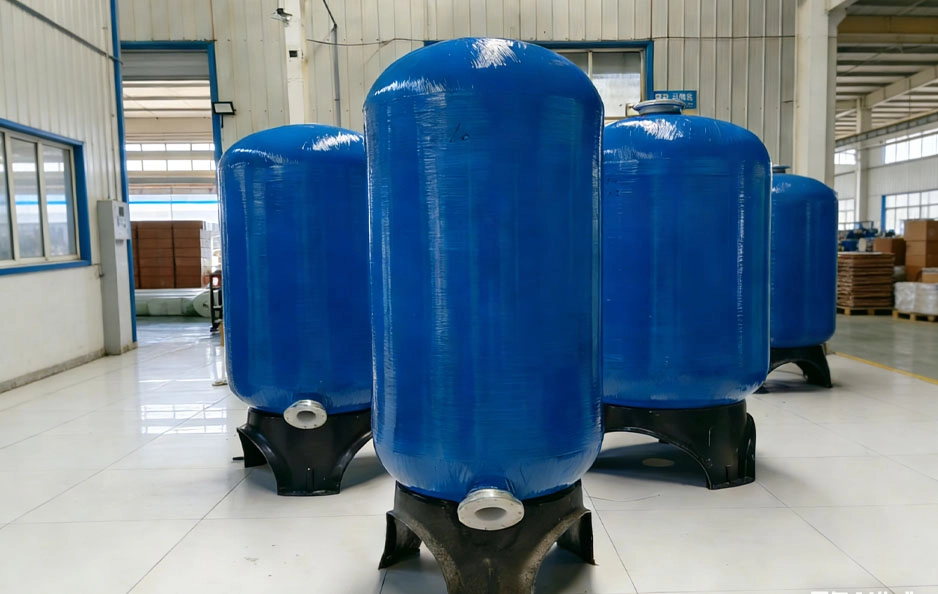
Nhựa epoxy được đánh giá cao về độ bền liên kết, độ dẻo dai và hiệu suất cấu trúc ổn định trong nhiều sản phẩm FRP. Trong bồn chứa composite FRP tiêu chuẩn của Hedelong, lớp lót HDPE cấp thực phẩm được kết hợp với lớp gia cường bằng nhựa epoxy và sợi thủy tinh. Cấu trúc đó là một lời nhắc nhở hữu ích: hệ thống nhựa có thể đóng vai trò là lớp cấu trúc, trong khi lớp lót hoặc lớp chắn bên trong xử lý sự tiếp xúc trực tiếp với môi chất.
Bể chứa FRP epoxy có thể là lựa chọn hợp lý khi độ bền cơ học, khả năng chịu áp suất và khả năng tương thích với xử lý nước là những yếu tố quan trọng. Đối với các hóa chất lưu trữ mạnh, epoxy vẫn cần được xem xét khả năng tương thích như bất kỳ loại nhựa nào khác. Không nên chỉ chọn epoxy vì từ ngữ nghe có vẻ "bền chắc". Khả năng kháng hóa chất và độ bền cơ học cần được kiểm tra cùng nhau.
Lớp lót và lớp chắn bên trong cũng cần được quan tâm như nhau.
Nhiều sự cố hỏng hóc bồn chứa bắt đầu từ những chi tiết tưởng chừng nhỏ nhặt trong quá trình báo giá. Vỏ bồn có thể chắc chắn, nhưng rò rỉ hoặc ăn mòn hóa học có thể bắt đầu gần cửa thăm, vòi phun, bộ phận chuyển tiếp đáy, lỗ thông hơi hoặc đường ống dẫn chất lỏng. Đó là lý do tại sao lớp lót và lớp chắn bên trong lại quan trọng không kém gì tên gọi của loại nhựa.
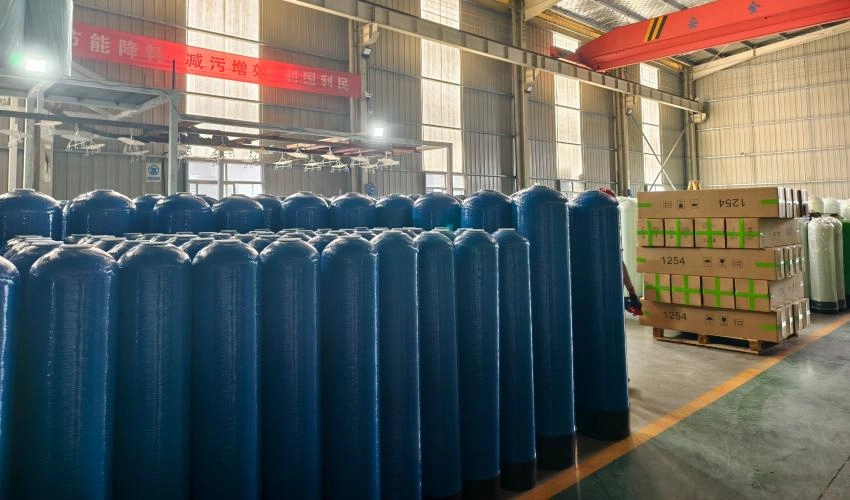
Dòng sản phẩm bồn xử lý nước của Hedelong bao gồm lớp lót bên trong bằng HDPE, cốt thép bằng nhựa epoxy và sợi thủy tinh, kết nối ren hoặc mặt bích, và thử nghiệm độ bền mỏi cho các thiết kế bình áp lực tiêu chuẩn. Dòng sản phẩm bồn chứa FRP của hãng cũng mang lại trọng lượng nhẹ, độ bền cao, khả năng chống ăn mòn, chống rò rỉ, khả năng chống va đập và thiết kế tùy chỉnh cho các cấu trúc và thông số kỹ thuật khác nhau. Những chi tiết này rất quan trọng khi bồn chứa cần phải dễ vận chuyển, lắp đặt, kết nối và bảo trì.
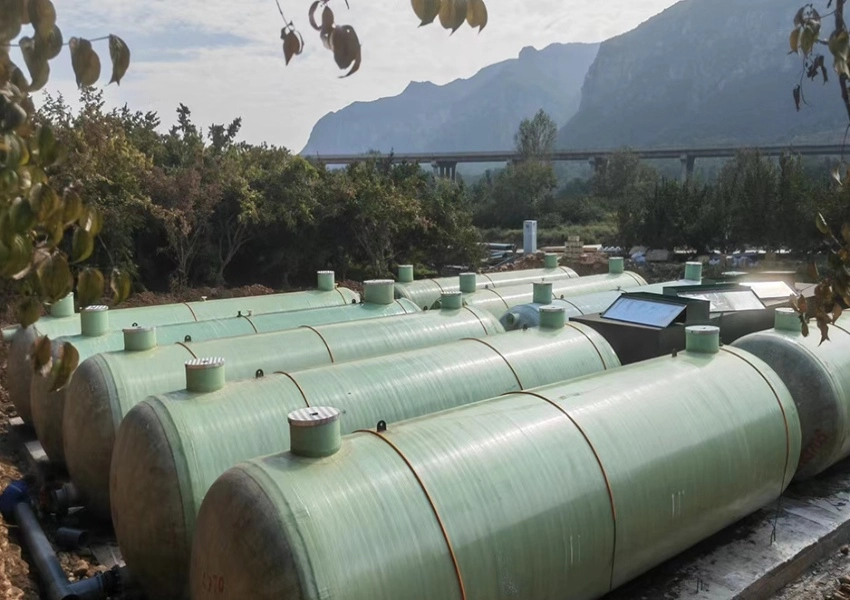
Dùng để lưu trữ chất lỏng số lượng lớn, FRP bể chứa là những lựa chọn phù hợp nhất. Đối với nước dùng trong quy trình sản xuất hoặc các bình chứa được kết nối với hệ thống lọc và làm mềm nước, thì... tiêu chuẩn FRP bể chứa hỗn hợp Tài liệu này cung cấp các điểm tham khảo hữu ích về cấu trúc lớp lót HDPE, quấn sợi thủy tinh epoxy, cấp áp suất, các tùy chọn kết nối và thử nghiệm.
Thiết kế cơ khí vẫn ảnh hưởng đến rủi ro hóa học.
Việc lựa chọn loại nhựa không phải là yếu tố duy nhất cần cân nhắc. Một bể chứa hóa chất an toàn và phù hợp vẫn có thể gây ra sự cố nếu hệ thống đỡ đáy, bố trí miệng bể, hệ thống thông gió hoặc tải trọng đường ống không đúng cách. Các bể chứa hóa chất thường được đặt trong các phòng chật hẹp, khu vực chứa ngoài trời, nhà máy xử lý nước thải, xưởng mạ hoặc trạm định lượng. Người vận hành cần không gian để kiểm tra mức hóa chất, làm sạch xung quanh vòi phun và bảo dưỡng van mà không gây áp lực lên thành bể.
Hedelong cung cấp các loại bồn áp lực FRP hình dạng đặc biệt và tùy chỉnh, bồn lọc cát tùy chỉnh, bồn nước mềm tùy chỉnh và các lỗ mở có thể được điều chỉnh theo yêu cầu của khách hàng. Điều này cũng bao gồm đáy phẳng thẳng đứng, yên ngang, giá đỡ đặc biệt và thiết kế đế tùy chỉnh. Những tùy chọn này rất quan trọng khi dự án không thể sử dụng một hình trụ thẳng đứng đơn giản.
Nếu bể chứa chất lỏng ăn mòn, thiết kế vòi phun cần được chú trọng đặc biệt. Đường ống quá khổ, giá đỡ cứng hoặc rung động có thể gây tải trọng lên lớp vật liệu composite xung quanh miệng vòi. Câu hỏi quan trọng hơn không chỉ là “Loại nhựa nào tốt nhất?” mà còn là “Vòi phun, mặt bích, giá đỡ và bố trí lỗ thông hơi có chịu được điều kiện hoạt động này không?”
Lựa chọn hệ thống nhựa trao đổi ion phù hợp với các loại bể chứa của Hedelong.
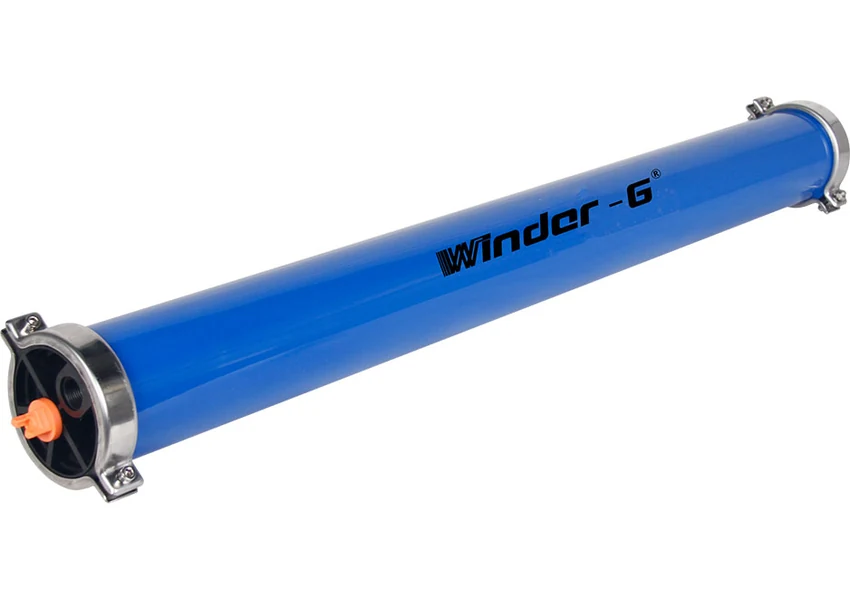
Hedelong hoạt động trong lĩnh vực thiết bị xử lý nước và các sản phẩm FRP liên quan, bao gồm bồn FRP, vỏ màng lọc, bồn chứa nước muối, bồn định lượng, bồn chứa nước, bộ lọc, thiết bị làm mềm nước, van và bộ điều khiển. Đối với nước có độ tinh khiết cao hoặc nước dùng trong quy trình hóa chất, Hedelong cung cấp các giải pháp phù hợp. FRP thiết bị trao đổi ion Nó thuộc cùng một nhóm vật liệu. Nó sử dụng nhựa và sợi thủy tinh quấn quanh, các lỗ mở có thể tùy chỉnh và thiết kế hướng đến sản xuất nước tinh khiết cao trong các ứng dụng hóa chất, điện tử, dược phẩm, phòng thí nghiệm và năng lượng.
Đối với yêu cầu báo giá tùy chỉnh, người mua cần gửi năm nhóm thông tin:
-
Môi trường bảo quản, phạm vi nồng độ, độ pH, nhiệt độ và bất kỳ hóa chất tẩy rửa nào.
-
Thể tích bể chứa, vị trí lắp đặt trong nhà hay ngoài trời, nhu cầu cách nhiệt và mức độ tiếp xúc với tia cực tím.
-
Kích thước vòi phun, cửa thăm, hệ thống thông gió, ống thoát nước, thước đo mực nước, ống tràn và sơ đồ giá đỡ đường ống.
-
Hệ thống nhựa ưu tiên, hoặc yêu cầu đề xuất nhà cung cấp dựa trên danh sách hóa chất.
-
Các giấy chứng nhận cần thiết, bản vẽ, phương pháp thử nghiệm, bao bì và phụ tùng thay thế.
Đây là nơi Hôm nay Điều này hoàn toàn phù hợp. Cuộc thảo luận hữu ích không phải là một lời hứa chung chung rằng FRP có khả năng chống ăn mòn. Đó là việc xem xét lại chất lỏng, lớp lót, nhựa, cấu trúc cuộn, các lỗ hở, giá đỡ và kế hoạch bảo trì trước khi bắt đầu sản xuất.
Câu hỏi thường gặp
Câu 1: Nhựa vinyl ester có phải luôn là loại nhựa tốt nhất cho các bể chứa hóa chất bằng sợi thủy tinh gia cường (FRP) không?
A1: Không. Este vinyl thường được xem xét cho các ứng dụng ăn mòn mạnh hơn, nhưng vẫn cần kiểm tra cụ thể theo từng môi trường. Nồng độ, nhiệt độ, hàm lượng dung môi và hóa chất tẩy rửa đều có thể làm thay đổi khuyến nghị.
Câu 2: Khi nào thì nên sử dụng bể chứa FRP epoxy?
A2: Keo epoxy có thể hữu ích trong các trường hợp cần độ bền liên kết, hiệu suất cấu trúc, khả năng chịu áp lực hoặc độ sạch trong xử lý nước. Đối với việc lưu trữ hóa chất trực tiếp, cần xác nhận khả năng tương thích với chất lỏng thực tế trước khi đặt hàng.
Câu 3: Cần gửi những thông tin gì cho Hedelong trước khi lựa chọn vật liệu cho bồn chứa hóa chất?
A3: Vui lòng gửi tên hóa chất, nồng độ, nhiệt độ, độ pH, thời gian bảo quản, thể tích bể chứa, bố trí vòi phun, vị trí lắp đặt và hóa chất làm sạch. Những chi tiết này giúp lựa chọn loại nhựa, lớp lót, lỗ mở, giá đỡ và kế hoạch thử nghiệm phù hợp.