
Bir sevkiyat dışarıdan hazır görünebilir: kartonlar kapatılmış, paletler sarılmış, kamyon rezervasyonu yapılmış, fatura hazırlanmış. Ancak FRP tanklar, RO membran muhafazaları ve ilgili su arıtma ekipmanları için bu yine de yeterli değildir. Alıcı, kargonun fabrikadan ayrılmadan önce malların siparişe, basınç değerine, çizimlere ve amaçlanan kullanım koşullarına uygun olduğuna dair kanıt ister. Konteyner suya indirildikten sonra, küçük eksik detaylar pahalı sorunlara dönüşür.
Doğru FRP ekipman kalite belgelerinin süslü olmasına gerek yoktur. Belgelerin spesifik, izlenebilir ve gerçek partiye bağlı olması gerekir. Ciddi bir FRP tank tedarikçisi, bu dosyaları alıcının isteği üzerine aceleyle bir araya getirmek yerine, sevkiyat hazırlığının bir parçası haline getirmelidir.
Sipariş Takibiyle Başlayın
İlk dosya seti, satın alma siparişini bitmiş ürünlerle ilişkilendirmelidir. Bu basit gibi görünse de, birçok teslimat anlaşmazlığı buradan başlar. Model numaraları, tank boyutu, port tipi, basınç sınıfı, bağlantı standardı, miktar, aksesuarlar, renk, etiketleme ve paketleme yöntemi, ticari sipariş ve onaylı çizimle eşleşmelidir.
Çizimler ve Değerlendirilmiş Koşullar
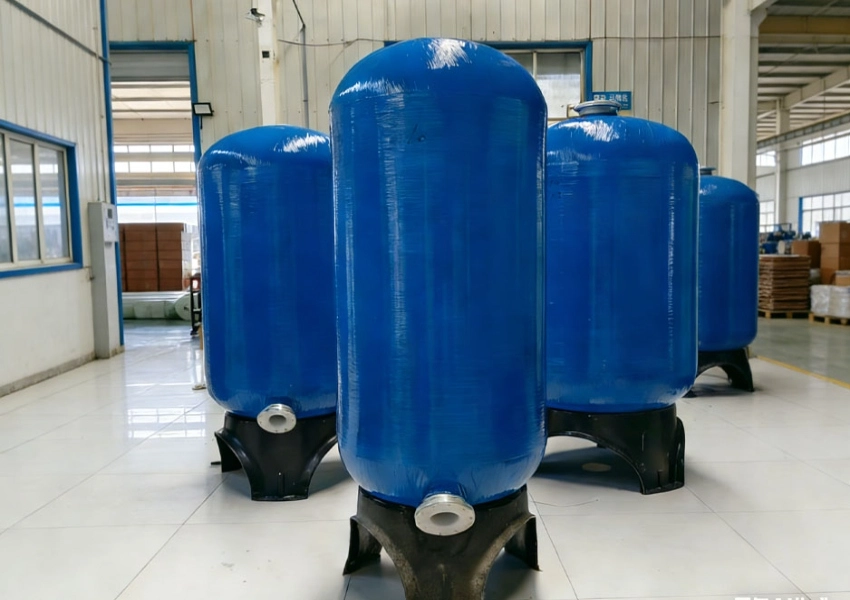
FRP tanklar için, alıcının çap, yükseklik, açıklık tipi, port boyutu, astar bilgileri, çalışma basıncı ve sıcaklık aralığını gösteren onaylı çizim veya teknik özellik belgesini alması gerekir. Hedelong'un Benendüstriyel ve ticari FRP basınçlı kaplarÖrneğin, bu tanklar gıda sınıfı HDPE astar malzemesi, epoksi reçine ve fiberglas sargı takviyesi, 125 psi ve 150 psi çalışma basıncı seçenekleri ve 6 inçten 80 inçe kadar tank çapları etrafında inşa edilmiştir. Bu ayrıntılar teknik dosyada görünür olmalı, katalog fotoğrafından tahmin edilmemelidir.
Model ve Aksesuar Onayı
Aksesuar kapsamı ayrı bir kontrolü hak ediyor. Bir tank sevkiyatı, tabanlar, flanşlar, dağıtıcılar, vanalar, tuzlu su tankları veya dozaj tankları içerebilirken, bir membran kap sevkiyatı uç kapakları, contalar, kayışlar, portlar, adaptörler ve donanım içerebilir. Paketleme listesinde yalnızca 'bir set' yazıyorsa, teslim alan ekip neyi sayacağını bilemeyebilir. Açık ve net sevkiyat öncesi denetim belgeleri bu riski azaltır.
Muayene ve Test Kayıtlarını Talep Et
FRP basınçlı kap Denetim, alıcıya formun altına atılan bir imzadan daha fazlasını sunmalıdır. Hangi kontrollerin yapıldığını, hangi standart veya iç kriterin kullanıldığını ve ilgili partinin denetimden geçip geçmediğini göstermelidir. Detay seviyesi ürüne göre değişebilir, ancak basınç taşıyan ekipmanlar, sıradan plastik aksesuarlara göre daha fazla disiplin gerektirir.
Boyutsal ve Görsel Kontroller
Boyutsal inceleme normalde gövde boyutu, açıklık konumu, diş veya flanş durumu, port hizalaması, yüzey kalitesi, işaretleme ve montaj uyumunu kapsar. Görsel incelemede çatlaklar, açıkta kalan lifler, reçine bakımından zengin veya fakir alanlar, astar hasarı, deformasyon, pürüzlü port kenarları ve belirgin taşıma hasarları aranmalıdır. İhracat siparişleri için, temsili ünitelerin fotoğrafları, paketlemeden önceki durumu gösterdiği için faydalıdır.
Basınç ve Performans Testi
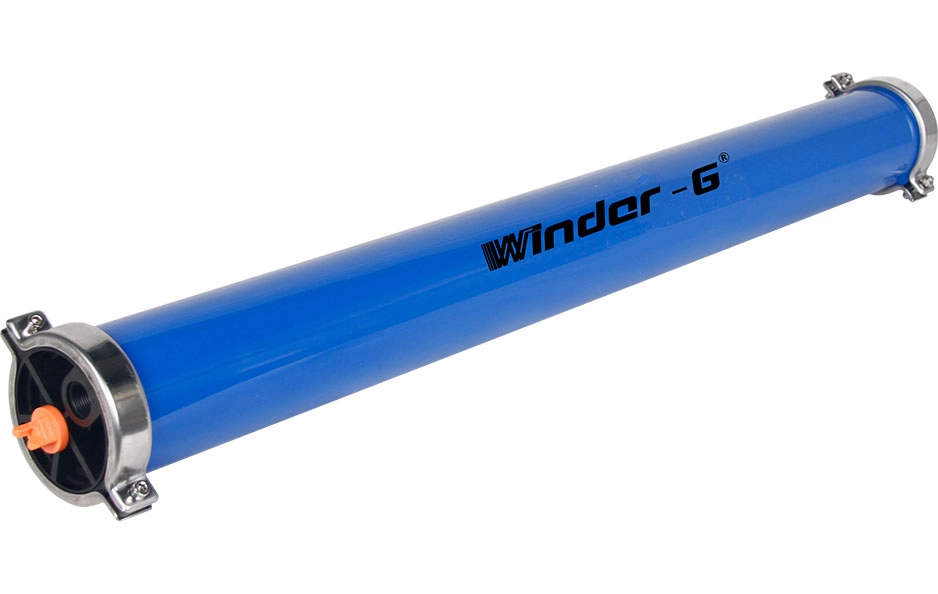
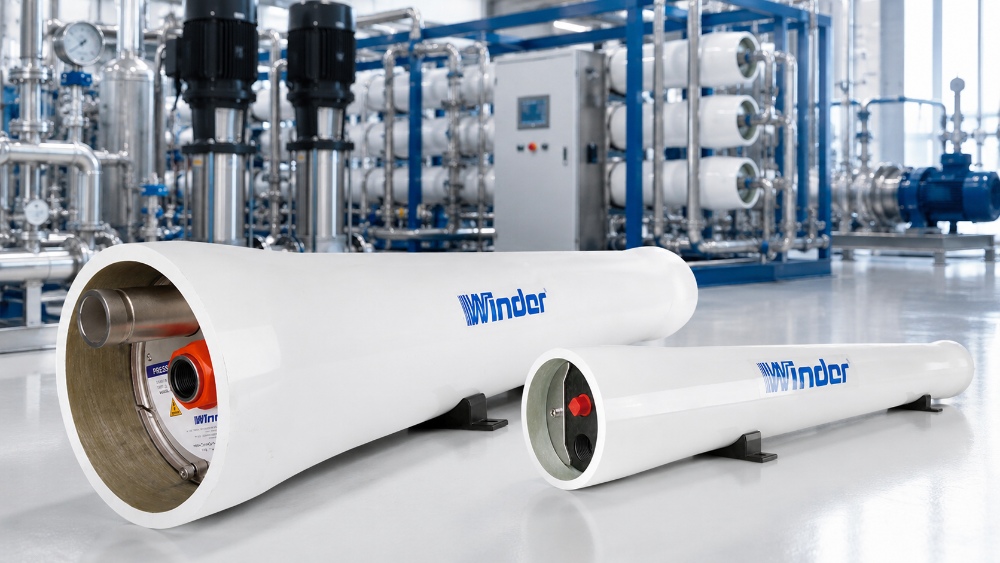
Test kaydı, ürün tipiyle eşleşmelidir. FRP membran gövdeleri için Hedelong, JC692-1998 standardına göre üretim, 150 ila 1000 PSI arasında tasarım basıncı seçenekleri, -7°C ila 49°C arasında izin verilen çalışma sıcaklığı ve standart basıncın 1,5 katı basınçta hidrostatik geçirgenlik testi sunmaktadır. 8 inçlik yan ve uç portlu membran gövdeleri için ise 100.000 döngülü basınç testi, pH 3-11, -10°C ila 66°C çalışma sıcaklığı ve patlama basıncı referansları mevcuttur. Bu rakamlar, alıcılara FRP basınçlı kap muayenesi için pratik bir temel oluşturmaktadır, ancak sevkiyat kaydında yine de tam model ve basınç sınıfı belirtilmelidir.
Kargo yola çıkmadan önce sertifikaları kontrol edin.
Sertifikalar yalnızca sipariş edilen ürün ve alıcının pazarıyla ilgili olduklarında faydalıdır. Genel bir sertifika dosyası tedarikçi taramasını destekleyebilir, ancak parti düzeyindeki denetimin yerini alamaz. Satın alma ekibi, güncel sertifika kopyalarını, kapsanan ürün yelpazesini ve uyumluluk açısından önemli olan herhangi bir son kullanma veya gözetim tarihini talep etmelidir.
Şirket ve Ürün Sertifikaları
Hedelong'un kaynak materyaller listesinde CE sertifikası, NSF sertifikası, ISO9001 kalite yönetim sistemi sertifikası, ISO14001, yerel hijyen lisansı onayı, ASME sertifikası, AEO sertifikası ve patentle ilgili kayıtlar yer almaktadır. Su arıtma ekipmanları için bu dosyalar, tedarikçi yeterliliğini, gümrük incelemesini veya müşteri onayını destekleyebilir. Özellikle sipariş içme suyuyla temas, basınçlı servis veya düzenlemeye tabi proje dokümantasyonunu içeriyorsa, bu dosyalar ilgili ürünlerle birlikte kontrol edilmelidir.
Muayene Raporu ve Sertifika Arasındaki Fark
Bir sertifika, bir sistemin, ürün ailesinin veya onay kapsamının var olduğunu belirtir. Bir denetim raporu ise, gerçek sevkiyatın kontrol edildiğini söyler. Her ikisi de önemlidir, ancak farklı sorulara cevap verirler. FRP ekipman kalite belgeleri, alıcının tedarikçi yeterliliğine ait olanı ve sevkiyata hazır partiye ait olanı görebilmesi için bu rolleri ayırmalıdır.
Paketleme ve işaretleme dosyalarını göz ardı etmeyin.
FRP ürünleri büyük, boyutlarına göre hafif ve kötü taşımaya karşı hassas olabilir. Paketleme kayıtlarında karton veya kasa miktarı, palet boyutları, brüt ve net ağırlık, koruyucu ambalaj, port koruması, etiket içeriği ve özel yükleme notları belirtilmelidir. Bu, özellikle tanklar, membran muhafazaları, vanalar ve küçük aksesuarlar içeren karışık sevkiyatlar için önemlidir.
Sızdırmazlık Öncesi Fotoğraflar
İyi sevkiyat fotoğrafları pazarlama fotoğrafları değildir. Ürün gövdesini, isim levhasını veya etiketini, liman bölgelerini, aksesuarlarını, ilgiliyse iç korumasını, karton işaretlerini ve son palet veya sandık durumunu göstermelidir. Bu görüntüler, alıcının paketleme listesini, faturayı ve alınan malları karşılaştırmasına yardımcı olur. Ayrıca, varıştan sonra hasar ortaya çıkarsa, nakliye tazminat taleplerini kolaylaştırır.
Etiketler Neden Önemlidir?
Etiketler, ekipmanı satın alma siparişi, model, miktar ve koli numarasıyla ilişkilendirmelidir. Yedek contalar, dağıtıcılar ve bağlantı parçaları için küçük ambalaj etiketleri daha da önemlidir çünkü parçalar ambalajdan çıkarılırken kaybolabilir. Güvenilir bir FRP tank tedarikçisi, etiketlemeyi sıkıcı ve tutarlı hale getirmelidir. Bu, ihracat işinde bir övgüdür.
Tedarikçi Tarama İşleminde Fabrika Denetim Dosyalarını Kullanın
FRP fabrika denetim materyalleri her küçük sipariş için gerekli olmasa da, ilk satın alma, proje ihalesi veya özel etiket anlaşması öncesinde değerlidir. Denetim dosyası, alıcının tedarikçinin aynı anda üretim, test, dokümantasyon ve tekrarlanan siparişleri kontrol edebilme yeteneğini değerlendirmesine yardımcı olmalıdır.
Ne istemeli?
Faydalı FRP fabrika denetimi kanıtları arasında işletme lisansı bilgileri, kalite sistem sertifikaları, üretim ekipman listeleri, filament sarma veya kalıplama prosesi fotoğrafları, muayene ekipmanları, numune kayıt formatı, uygunsuzluk giderme süreci, ihracat deneyimi ve satış sonrası yanıt kuralları yer alabilir. Amaç, sırf belge toplamak değil, fabrikanın aynı gemiyi aynı kararlaştırılan koşullar altında tekrar üretebilip üretemeyeceğini görmektir.
Denetimle İlişkilendirilmeye Değer Ürün Grupları
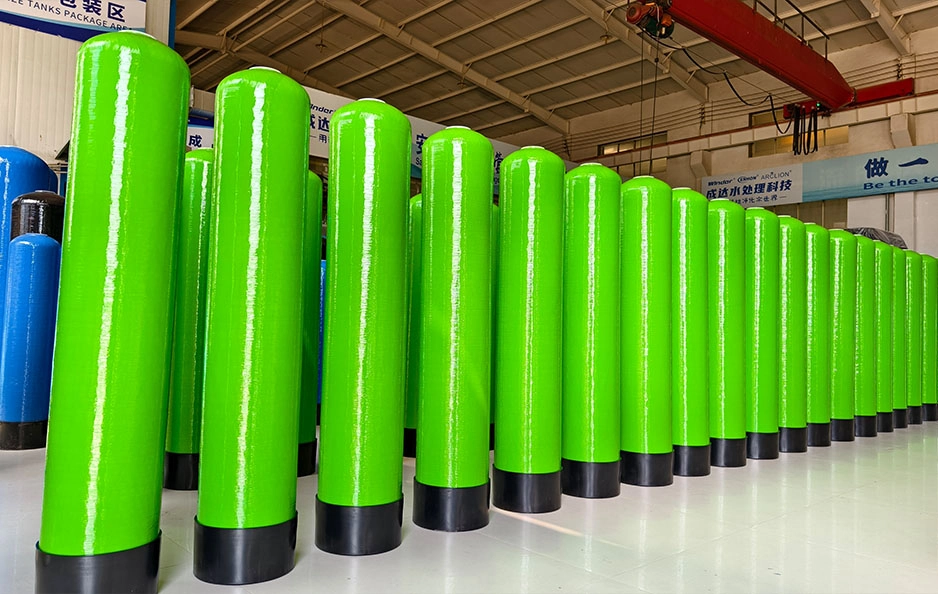
Tedarikçileri karşılaştıran alıcılar için, Hebei Hedelong Su Arıtma Şirketi, Ltd. Denetim görüşmesiyle bağlantılı olarak çeşitli ürün grupları sunmaktadır. Şirket, endüstriyel depolama ihtiyaçları için FRP tankları, filtrasyon ve yumuşatma sistemleri için FRP su arıtma tankı ve diğer ürünleri sunmaktadır. sökülmeyen valf yakıt ikmal basınçlı kabı Daha kolay ortam değişimi için. RO projeleri ayrıca, basınçlı kap dokümantasyonu sipariş paketinin bir parçası olduğunda, 8 inçlik uç portlu RO membran muhafazası da dahil olmak üzere RO membran muhafaza seçeneklerini inceleyebilir.
SSS
S1: FRP tank tedarikçisinden sevkiyat öncesinde alınması gereken en önemli belge hangisidir?
A1: Onaylanmış şartname veya çizim başlangıç noktasıdır. Bu, paketleme listesi, muayene raporu, sertifika kopyaları, etiketler ve sevkiyat fotoğraflarıyla karşılaştırılmalıdır.
S2: FRP basınçlı kap muayenesi, basınç testi kayıtlarını da içermeli mi?
A2: Evet, ürün basınca dayanıklı olduğunda. Kayıtta model, basınç sınıfı, test yöntemi, sonuç ve tedarikçi tarafından kullanılan herhangi bir parti veya seri numarası belirtilmelidir.
S3: Her sipariş için FRP fabrika denetim dosyalarına ihtiyaç duyuluyor mu?
A3: Her zaman değil. Bunlar en çok ilk siparişler, proje ihaleleri, özel etiketli tedarik veya tekrarlanan kalite ve dokümantasyon kontrolünün büyük önem taşıdığı her türlü satın alma işlemi için kullanışlıdır.