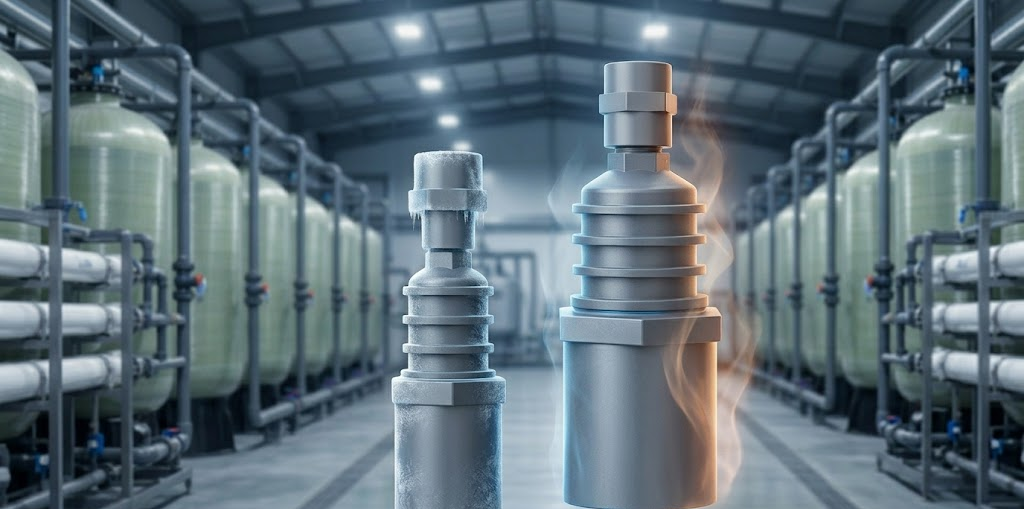

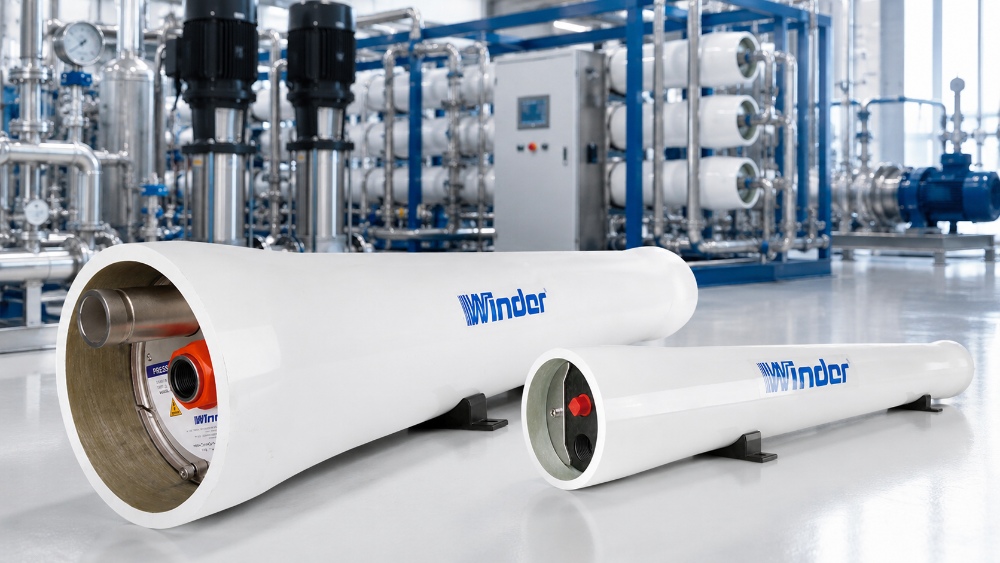
A 4-inch vs 8-inch RO membrane housing decision should start with system duty, not product size alone. A 4-inch RO membrane housing usually fits commercial RO equipment, compact skids, pilot systems, and small industrial lines. An 8-inch RO membrane housing is better for higher flow, larger membrane arrays, industrial reuse, desalination, and high-purity water systems. Buyers should compare flow demand, pressure rating, connection type, installation space, maintenance access, and membrane compatibility before fixing the specification.
Quick Selection: When to Choose 4-Inch or 8-Inch Housing
4-Inch Housing for Compact and Medium-Flow Systems
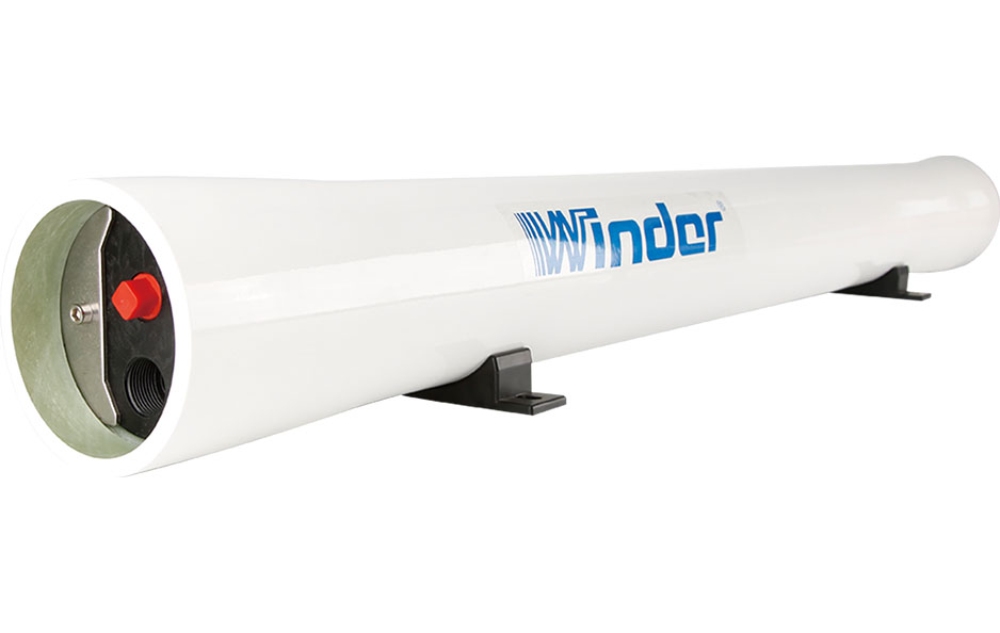
A 4-inch RO membrane housing fits projects that need controlled flow, compact equipment size, and easier skid integration. It is often used in commercial drinking water systems, laboratory water treatment, small food processing lines, pilot RO systems, and small industrial pure water units.
This size is useful when the equipment room is limited or when the designer wants a modular layout. A 4040 membrane element is easier to arrange in smaller frames when the required output is not too high.
For compact commercial and small industrial systems, Hedelong’s 4-inch end port RO membrane housing supports 1 to 4 membrane elements and covers 300, 450, 600, 1000, and 1200 PSI options.
8-Inch Housing for High-Flow Industrial Systems
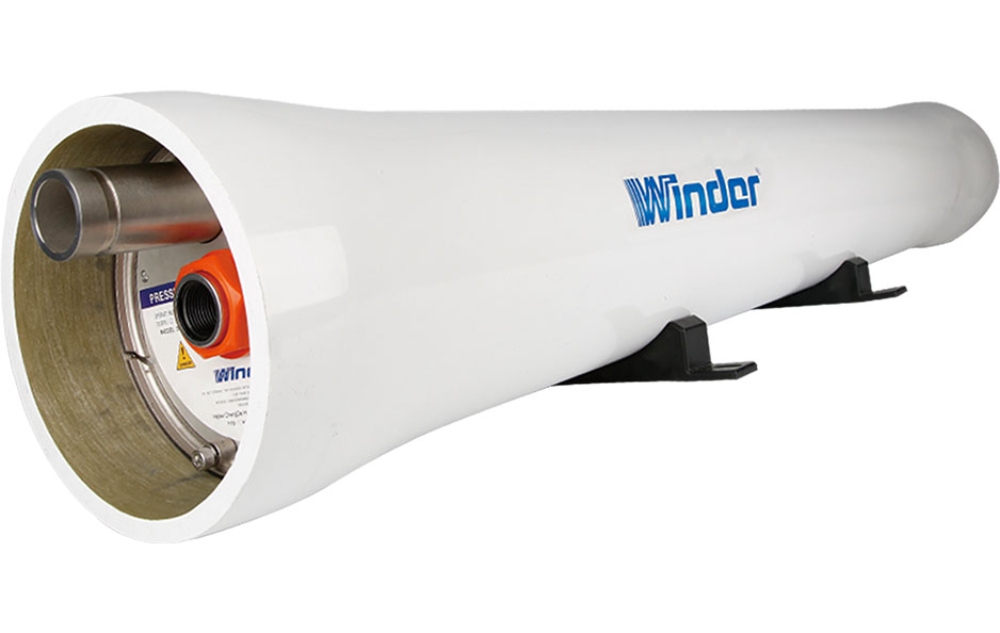
A larger 8-inch housing is normally selected when the system needs higher water output and a standard industrial layout. Typical applications include industrial desalination, wastewater reuse, brackish water treatment, seawater desalination, and high-purity water production. In these systems, one housing can hold more membrane elements, so the skid can be arranged with fewer vessels.
For larger systems, the 8040 format also helps engineers build repeatable membrane arrays and leave space for future expansion. Hedelong’s 8-inch end port RO membrane housing is designed for 1 to 8 membrane elements and covers low-pressure and high-pressure options for different industrial RO duties.
4040 vs 8040 RO Membrane Housing: What Changes in System Design?
Size Changes Flow and Vessel Quantity
The 4040 vs 8040 RO membrane housing comparison is mainly about system scale. A 4040 housing serves smaller or medium-flow systems, while an 8040 housing supports larger membrane capacity. If a project needs moderate output, several 4040 vessels may be enough. If it needs high flow every day, using too many 4040 housings can make the skid crowded and harder to maintain.
A practical RO membrane housing size selection should ask three questions first: how much water must the system produce, how many membrane elements are needed, and how much space is available for the skid. The answer often decides whether the project should start from 4040 or 8040.
Larger Housing Does Not Always Mean Better Value
An 8-inch housing can handle larger systems, but it is not always the better choice. Small systems may not need that capacity. Oversizing can increase equipment footprint and may complicate pipe design. On the other hand, choosing a 4-inch structure for a high-flow industrial system may lead to too many vessels, more connections, and more maintenance points.
This is why the 4-inch vs 8-inch RO membrane housing decision should be tied to actual project data. The right size balances capacity, layout, replacement work, and long-term operation.
Pressure Rating and Feed Water Duty
Match Pressure to the Water Source
Pressure rating is one of the most important checks before ordering a housing. Municipal water, brackish water, seawater, and industrial wastewater do not place the same demand on an RO system. A commercial pure water unit may only need a lower pressure range, while desalination and some industrial applications require stronger pressure performance.
A pressure vessel should not be selected only by the normal running pressure. Buyers should also consider pressure fluctuation, startup conditions, cleaning cycles, and safety margin. Design pressure, cyclic test performance, burst pressure, pH range, and operating temperature all matter when the housing will run for long hours.
Check the Full Pressure Vessel Specification
A FRP RO membrane pressure vessel is commonly used in water treatment because FRP offers corrosion resistance and strong pressure performance while keeping the vessel lighter than many metal alternatives. For buyers, the key is to match the pressure class with the membrane, pump, feed water, and application.
The same logic applies to both 4-inch and 8-inch designs. A small housing with the wrong pressure rating can fail the project requirement. A large housing with an unsuitable port standard can also create installation problems. Size and pressure must be checked together.
Connection Type, Material, and Installation Layout
End Port Design for Cleaner Pipe Routing
An end port RO membrane housing places the feed and concentrate connections at the vessel ends. This design can help create cleaner pipe routing, especially in compact skids or parallel vessel arrangements.
For many commercial and industrial systems, end port layout is easier to plan when the equipment needs regular vessel alignment. When comparing side port and end port designs, buyers should look at pipe direction, skid width, valve position, and service access.
FRP Material for Corrosive Water Treatment Environments
Water treatment systems may handle water with salts, cleaning chemicals, or changing pH conditions. FRP housing is widely used because it resists corrosion in many common RO environments and supports long-term pressure operation. For an FRP RO membrane pressure vessel, buyers should check the vessel body, end components, sealing parts, and port standards.
Hedelong manufactures water treatment equipment and accessories, including FRP tanks, membrane housings, brine tanks, dosing tanks, water storage tanks, distributors, filters, softeners, valves, and controllers. For this selection topic, buyers can compare housing size, connection type, pressure class, and customization needs within one water treatment product line.
Maintenance and System Compatibility
Plan Access Before the Skid Is Built
Maintenance access should be decided before the skid layout is fixed. A 4-inch housing may be easier to handle in small systems, but many small housings can still create more service points. An 8-inch housing may require more space at the vessel end for membrane loading and removal, yet it can reduce the number of vessels in a high-flow system.
Operators need enough room to remove end caps, pull membrane elements, inspect seals, and connect cleaning lines. If a system has a frequent fouling risk or heavy-duty industrial operation, offline cleaning support may also be useful.
Check Compatibility Beyond the Membrane Element
System compatibility includes more than 4040 or 8040 membrane size. Buyers should confirm pump capacity, pipe diameter, port thread, skid frame, valve layout, pressure instruments, cleaning process, and spare part availability. This step protects the project from late changes during installation.
A good RO membrane housing size selection also considers future operation. If the plant may expand, choose a structure that can support added vessels or higher flow. If the system must remain compact, a 4-inch layout may be more practical. If standardized industrial output is the priority, the 8-inch format often becomes easier to manage.
Practical Checklist Before Sending an Inquiry
Before confirming an end port housing, buyers should prepare basic project data: target flow rate, feed water type, membrane model, number of elements, pressure requirement, port standard, skid space, operating temperature, pH range, cleaning frequency, and whether a custom color or special specification is needed.
This checklist helps the supplier review the project quickly and reduces the risk of choosing a vessel that fits the membrane but not the whole system.
Conclusion: Choose by System Duty, Not Size Alone
The better choice is not simply the larger vessel. A 4-inch housing is suitable for compact commercial systems, pilot units, and smaller industrial RO equipment. An 8-inch housing fits higher-flow industrial systems, standardized arrays, desalination, wastewater reuse, and high-purity water production. The final decision should combine flow demand, pressure rating, connection type, FRP material, installation space, maintenance access, and long-term system compatibility.
If membrane size, pressure class, or layout is still being confirmed, share your project details with us and request suitable RO membrane housing support. A clear specification at the inquiry stage can make later design, ordering, installation, and maintenance much smoother.
FAQ
Q:What is the main difference between 4-inch and 8-inch RO membrane housing?
A:The main difference is system scale. A 4-inch housing usually fits commercial, pilot, and smaller industrial systems. An 8-inch housing supports higher flow, more membrane elements, and larger industrial RO arrays.
Q:Is end port housing better than side port housing?
A:Neither design is always better. End port housing is often useful for clean pipe routing and regular skid layout. Side port housing may fit other pipe directions or service preferences. The right choice depends on the skid design.
Q:What should buyers confirm before ordering a FRP pressure vessel?
A:Buyers should confirm membrane size, number of elements, pressure rating, port type, feed water condition, pH range, operating temperature, skid space, and maintenance access before confirming the final vessel specification.