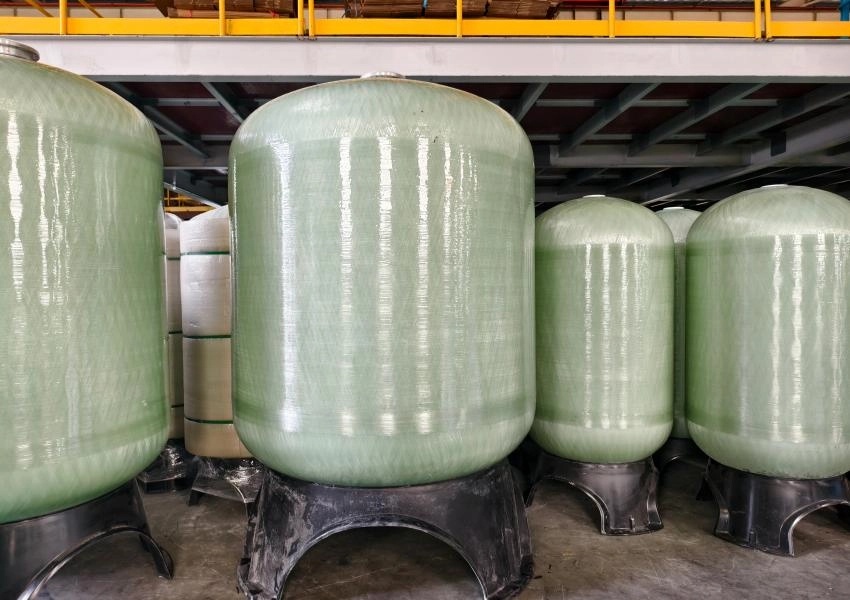

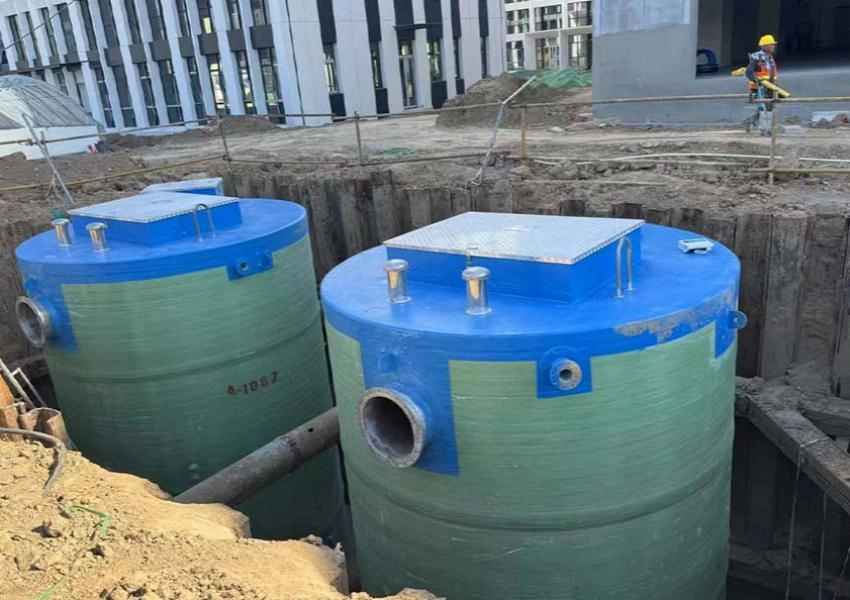
An FRP chemical storage tank is not specified by volume alone. A vessel that handles one liquid without trouble can be a poor choice for another when concentration, temperature, fill frequency, or impurities change. Acid, alkali, and brine duties often look similar on a layout drawing: a vertical tank, a few nozzles, a vent, and a drain. Their failure risks are not the same.
For a buyer, the useful starting point is a service description rather than a generic request for a corrosion-resistant tank. Name the chemical, concentration range, normal and maximum temperature, specific gravity, batch size, delivery method, cleaning chemicals, and expected upset conditions. Those details shape the corrosion barrier, laminate, nozzle arrangement, support design, and inspection plan. They also prevent a quotation from hiding important assumptions.
Begin With تhe Real Service Envelope
Chemical compatibility is only one part of chemical tank design. A supplier needs to know whether the liquid sits quietly for weeks, arrives warm from a process, is recirculated continuously, or is pumped in fast from a road tanker. A tank may see vacuum during draining, a brief pressure event from a blocked vent, or local stress when rigid pipework moves. These conditions should be documented before material selection starts.
List More Than تhe Main Chemical
An acid storage tank for a nominal acid solution may also receive rinse water, metal salts, oxidizing residues, suspended solids, or a stronger cleaning batch. An alkali tank can carry heat from dilution or crystallized material around a low point. Brine can contain chlorides, process fines, or oxidants that change the corrosion question. Ask for the current safety data sheet, but also request a process sample history and the credible maximum concentration and temperature.
Specific gravity affects shell loading and bottom support loads. Temperature can alter chemical attack and thermal movement. Fill and empty cycles affect fatigue around openings. If an installation will be outdoors, the RFQ should also identify wind, and seismic requirements where applicable, sun exposure, bund dimensions, and whether the tank will be insulated or heat traced.
What Changes أناn Acid Service
Acid duty calls for a clear boundary between the wetted corrosion barrier and the structural laminate. It is not enough to label a vessel “acid resistant”. The resin system, liner arrangement, surfacing layer, joints, fittings, gaskets, and sampling connection all need to be reviewed against the exact acid and conditions. A compatible shell can still be undermined by an unsuitable drain valve, gasket, or sight glass.
Nozzle placement deserves more attention when acid is delivered through a fixed fill line. A concentrated stream hitting one area repeatedly can create a localized duty different from the rest of the vessel. Diffusers, a protected inlet zone, or a revised filling sequence may be appropriate, but the choice depends on the actual fluid and flow method. Vent routing matters as well, particularly where fumes or mist need controlled handling.
Inspect تhe High-Risk Details
For acid service, buyers should ask how the inner surface, nozzle necks, flanges, manways, drain zone, and support transition will be inspected. The inspection and acceptance criteria should identify what is checked before shipment, which test records are supplied, and how any repair is documented. A pressure or leak test only demonstrates the agreed test condition; it does not replace a compatibility decision for the chemical list.
What Changes In Alkali Service
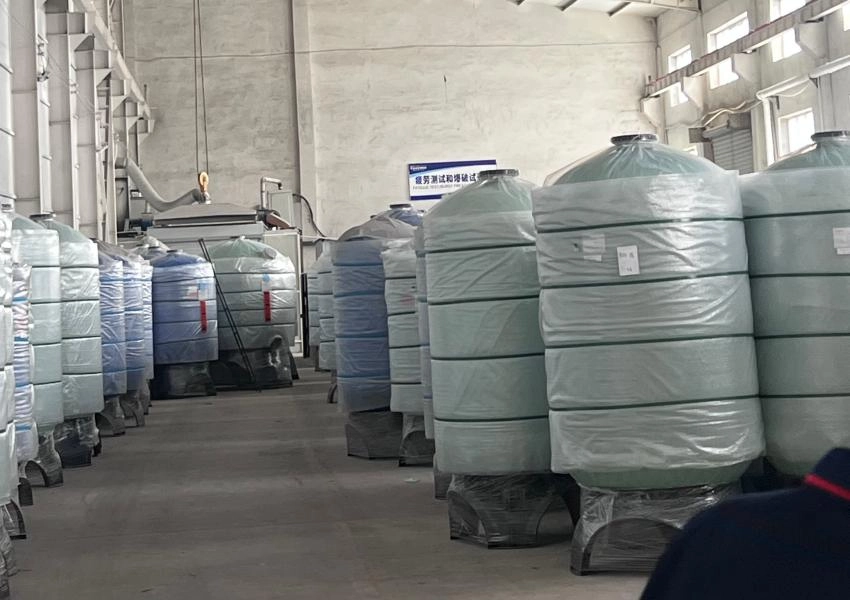
An alkali tank needs the same disciplined input, but the design conversation often shifts toward dilution heat, solids handling, cleaning practice, and access. Stronger or warmer alkaline solutions may not behave like a dilute ambient solution. If material is mixed in the tank, the mixer, baffles, local turbulence, and mounting loads should be included in the design review rather than added after a shell drawing is approved.
Good drainability is practical for both operations and inspection. A low point that retains concentrated liquid can complicate washing, maintenance, and a change of service. It is worth agreeing on the slope, drain nozzle location, flushing method, and isolation arrangement early. Where a tank cycles between alkaline wash and a different process liquid, the full cleaning sequence belongs in the RFQ.
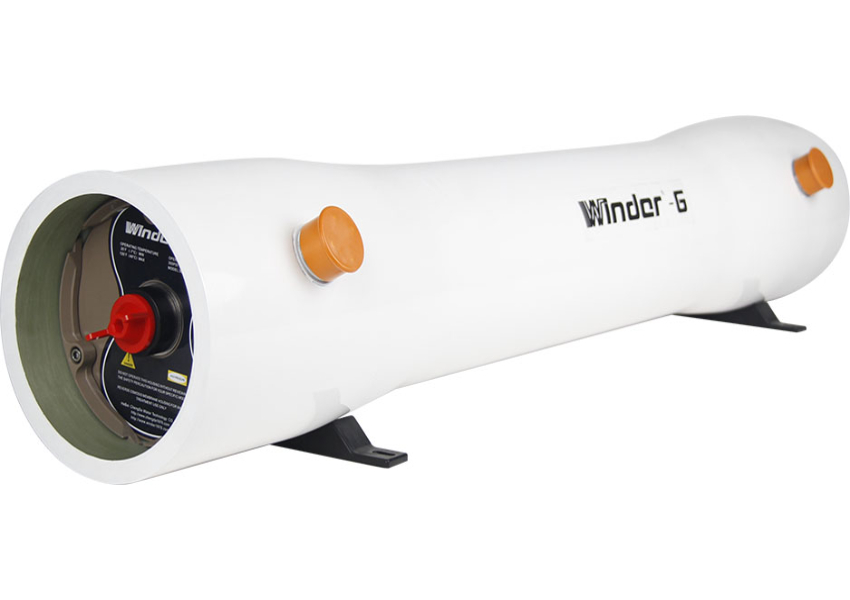
هيدلون custom FRP tanks are described as fiberglass-wound vessels with corrosion resistance, light weight, high strength, good impermeability, customized openings, and support choices including vertical flat, horizontal saddle, and special-shaped designs. Those options make configuration review possible, but they are not a blanket compatibility claim for any alkaline chemical. The final construction still needs to be confirmed against the duty.
What Changes أناn Brine Service
Brine duty is sometimes treated as simple because salt solutions are familiar. That shortcut can be costly. Chloride concentration, temperature, aeration, solids, oxidizing contaminants, and the materials of every wetted component need review. The tank may be FRP, while the vent screen, fasteners, level sensor, and valve trim create the first maintenance problem.
A brine storage application can also place a heavier static load on the shell and foundation than a fresh-water tank of the same volume. Confirm the liquid density range, the maximum fill level, support interface, anchoring requirements, and allowable settlement. If a brine is delivered in batches, consider surge, fill rate, and a separate overflow path. These are design checks, not optional extras.
Turn A Tank Specification Into A Procurement Package
A credible quotation should state the service basis and show the assumptions that drive the design. Request a general arrangement drawing, nozzle schedule, support and anchor details, material and liner description, design pressure or vacuum limits where relevant, inspection plan, test method, packing method, and recommended installation restrictions. The purchaser should also identify whether the tank will be installed under a roof, outdoors, in a bund, or on a steel structure.
هيدلون خزانات تخزين من الألياف الزجاجية المقواة بالبلاستيك are presented with fiberglass winding technology and configurable openings. The related FRP product also has threaded or flanged openings and an integrated liner-to-opening connection for a specified composite tank series. These features are useful design references when reviewing interfaces, but operating-pressure and temperature figures from a water treatment series must not be carried into acid, alkali, or brine service without a project-specific confirmation.
For a chemical tank, third-party testing or documentation should be defined before the purchase order, not requested as an afterthought. The project may need dimensional records, visual inspection, liner inspection, hydrostatic or leak-test records, material traceability, a drawing revision record, and packing photographs. Whether an independent witness, particular code, or certificate is required depends on the installation and contract. Put each requirement in the RFQ.
Use Supplier Capability As A Check, Not A Substitute For Design Data
A capable manufacturer can adapt openings, supports, and winding construction, but no supplier can select safely from a vague phrase such as “chemical liquid”. Send the chemical list and operating envelope first. Then review the proposed laminate, corrosion barrier, nozzle reinforcement, support arrangement, accessories, inspection steps, and exclusions line by line.
اليوم provides a starting point for its FRP storage, water-treatment, and piping equipment range. For a project that couples a storage vessel with transfer piping or treatment equipment, the practical question is whether all interfaces can be checked against one design basis. That process reduces the chance that a correct tank is paired with unsuitable connected components.
Before release, ask the supplier to confirm the exact chemical, concentration, temperature, density, pressure or vacuum scenario, cleaning chemicals, and expected cycles covered by the proposal. Any unknown should remain an RFQ clarification rather than becoming an assumption hidden in a drawing. That is how an FRP chemical storage tank is matched to acid, alkali, or brine service without overpromising what a generic specification can do. Should you have any questions, please contact us.
التعليمات
Q1: Can one FRP chemical storage tank design serve acid, alkali, and brine?
A1: Not automatically. Each service needs confirmation of the chemical list, concentration, temperature, density, impurities, loading cycles, liner, resin system, fittings, and cleaning method. A design suitable for one liquid should not be assumed suitable for another.
Q2: What information is needed to quote an acid storage tank?
A2: Provide the acid name, concentration range, normal and maximum temperature, density, volume, fill method, vent arrangement, expected cycles, cleaning chemicals, installation environment, nozzle list, and any testing or documentation requirement.
Q3: Why does brine tank design need a density check?
A3: Density changes the liquid load carried by the shell, bottom, supports, foundation, and anchors. The range also affects maximum-fill and transport assumptions, so it should be supplied with the chemical information.