

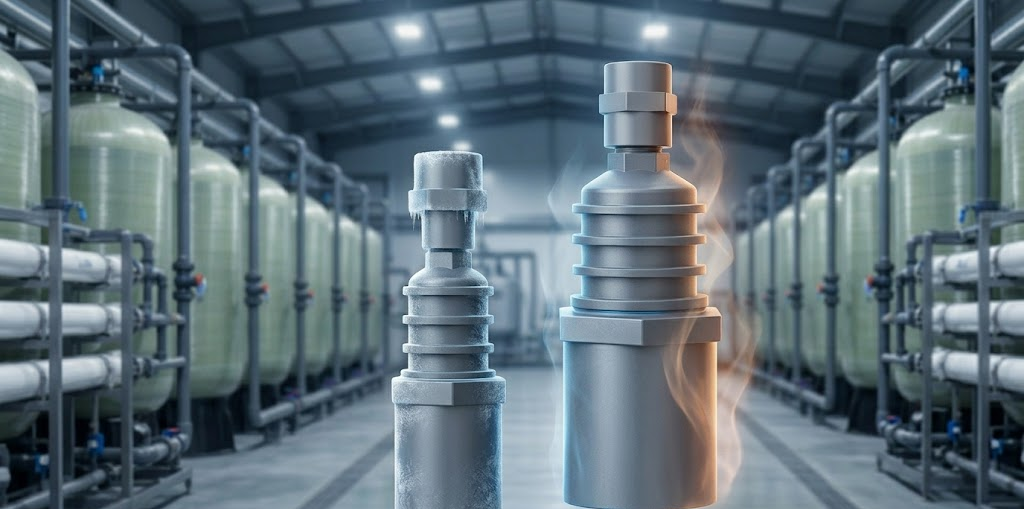
In 2026, the global landscape for water treatment machinery is shifting toward more resilient and automated infrastructure. Increasing demands for water purification system efficiency mean that engineers must account for extreme environmental variables that were once considered outliers. At Hedelong,we recognize that even the most robust FRP tank can be vulnerable to internal pressure shifts. We are a high-tech enterprise dedicated to the water treatment field, specializing in FRP pressure vessel manufacturing and protective components. While many focus on the outward strength of a water storage tank, the internal dynamics of negative pressure often remain an overlooked risk factor. Our focus on professional service and quality is why we have developed advanced solutions to ensure tank integrity across diverse global markets.
The Science of Negative Pressure in Modern Water Systems
Modern industrial water systems often involve complex cycles of filling and discharging that can inadvertently create a vacuum. If a water filter machine or water storage tank experiences a sudden drop in internal pressure without adequate venting, the atmospheric pressure outside can cause the structure to buckle or collapse. This risk is particularly high in high-rise residential buildings or large-scale industrial water treatment plants where water flow rates are high, and system shutdowns occur frequently. Utilizing a negative-pressure protection valve is the most effective way to prevent these structural failures.
Our engineers have designed these components to automatically adjust based on internal pressure changes. By allowing air to enter the vessel at critical moments, a vacuum valve ensures the frp pressure tank maintains its shape and functionality. This protection is essential not just for standard operations, but also for specialized equipment like a frp softener tank or an ion exchange column. Ensuring the safety of these assets is a primary concern for any one-stop water treatment solution service provider.
Technical Features of the CDFY Valve Series
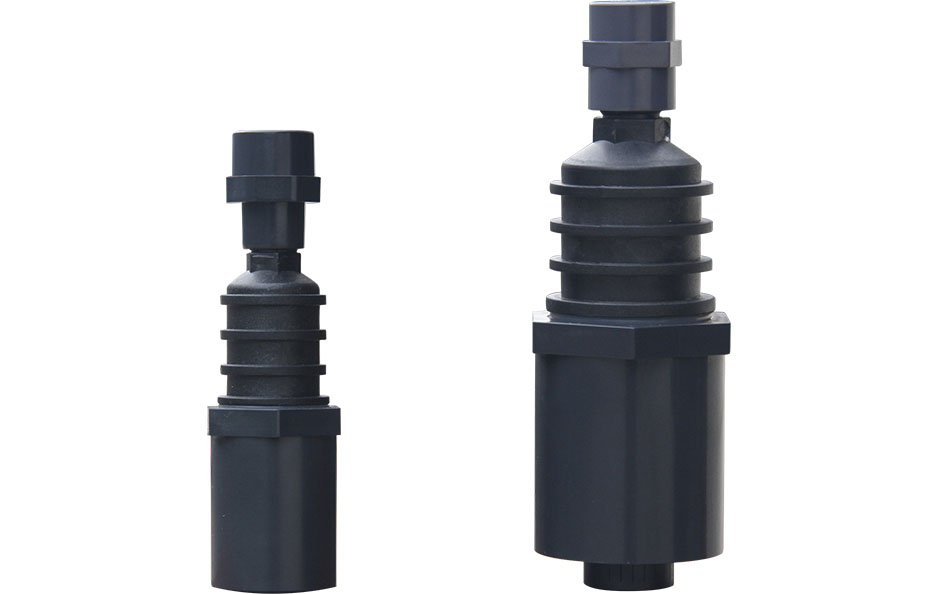
To address the diverse needs of the 2026 market, we offer the vacuum protection valves in two primary specifications. The CDFY-1 is engineered for tanks within 20 inches, including the 20-inch model, and connects to Φ20/32 UPVC center pipes. For larger installations, the CDFY-2 is applicable to tanks 24 inches and larger, connecting to Φ20/50 UPVC center pipes. Both models are designed to be compatible with a wide variety of pipelines and water treatment devices.
A key advantage of our safety components is the material quality. These valves are constructed from high-quality PP/PE composite materials that are anti-acid, alkali-resistant, and pull-resistant. This makes them ideal for the petrochemical industry or food and beverage processing, where various solvents and liquids are handled. The smooth inner walls of these valves result in low friction and small liquid resistance, ensuring that the safety mechanism does not hinder the overall flow of the water purification system.
Performance Benchmarks for 2026 Industrial Standards
Reliability in 2026 is measured by longevity and resistance to extreme conditions. Our FRP water tank components are built to last, with many products having a life span of over 50 years under normal pressure working conditions. These valves can operate in a wide temperature range, from -100 degrees to 200 degrees, making them suitable for both cryogenic applications and high-heat industrial processes. They exhibit excellent impact resistance even in low temperatures, which is a critical feature for outdoor FRP water storage tank installations in colder climates.
Furthermore, structural safety is verified through rigorous testing. Our products pass 100,000 cycles of tests from 0-150 psi with standing pressure. This durability ensures that whether the valve is installed on a FRP pressure vessel or a standard water filter machine, it will perform consistently for decades. The mechanical strength of these systems is high, with ring stiffness up to SN20, ensuring they are not easily cracked even under significant stress.
Strategic Integration with Filtration and Treatment Hardware
Effective water softening and filtration require a holistic approach to component synergy. For instance, a FRP membrane housing used in reverse osmosis must be protected from the sudden negative pressures that occur during backwashing or rapid drainage. By integrating a vacuum protection valve into the system design, operators can safeguard expensive membrane elements and the housing itself from deformation.
We have observed that in centralized filtration systems for commercial buildings or hotels, space is often at a premium. Our innovative valve design allows for flexible installation options, including side-mount, top-mount, and flange openings (4″ thread or 6″ flange). This versatility means the protection can be added to existing water treatment machinery without requiring heavy machinery or extensive downtime. It also eliminates the need for gravel or complex support structures during installation, saving significant labor costs.
Sustainability and Maintenance in Water Infrastructure
Sustainability is a core pillar of 2026 industrial operations. Our components are made from eco-friendly, recyclable materials, which helps companies reduce their carbon footprint. Because the materials are corrosion-resistant both inside and out, they require less frequent cleaning and maintenance. The smooth inner walls prevent the buildup of microorganisms and scale, which is particularly beneficial for seawater desalination or aquaculture applications.
Long clearing periods and convenient clearing processes mean lower maintenance costs over the life of the water treatment tank. In scenarios like grease traps or interceptors where the environment is harsh, the high ring stiffness and chemical resistance of our PP/PE composite materials ensure the valve remains functional without the risk of leakage that could pollute groundwater. This commitment to environmental safety is part of why we have obtained numerous certifications, including NSF, CE, and ISO9001.
Selecting the Right Safety Configuration
Choosing the best guide for your specific setup involves evaluating your tank diameter and connection requirements. For general industry use, our valves can be matched with various opening types, such as 2.5-inch or 4-inch threads and 6-inch flanges. We also offer non-standard types for unique filling and discharging ports, ensuring that even customized FRP pipe and tank configurations are protected.
If your system handles ultra-pure water with resistivity greater than 10mΩ·cm, such as in a nitrogen-sealed tank, the role of pressure regulation becomes even more critical. These systems must isolate the water from the air to prevent secondary pollution. Our valves support the automatic control of nitrogen injection and discharge by sensing the internal pressure, thus maintaining the high purity required for electronic or power industry applications.
Enhancing System Life through Quality Service
We also provide tailored services for unique specifications of membrane shells and filter housings. If you operate in the petrochemical industry, food and beverage processing, or municipal water treatment, we supply various colors and setups to address your exact visual and functional requirements. Our aim remains to deliver improved customer support. We achieve this by pairing reliable products with the necessary technical knowledge to serve the global market effectively.
For individuals planning to enhance their existing facilities or build a new climate-resilient system, selecting the proper protective components matters greatly. We encourage you to get in touch with us for expert advice. Our specialists can guide you on incorporating these protective measures into your setup. The team stands prepared to assist with the challenges of contemporary water treatment. In addition, they ensure your systems remain secure over time
FAQ
Q: What is the main difference between the CDFY-1 and CDFY-2 vacuum protection valves?
A: The CDFY-1 works well for compact tanks up to 20 inches across. It attaches to Φ20 or Φ32 UPVC center pipes. In contrast, the CDFY-2 fits broader tanks that reach 24 inches or beyond. It relies on Φ20 or Φ50 UPVC center pipe links.
Q: Can these valves withstand extreme outdoor weather and corrosive chemicals?
A: Yes, builders craft these valves from solid PP/PE composite materials. Those materials stand up against acids and alkalis. They handle temperatures from -100 to 200 degrees effectively. Moreover, the design ensures they remain stable amid different climate and weather influences.
Q: Are there specific installation requirements for the vacuum relief valve on a frp tank?
A: These valves offer a smart, simple-to-set-up structure. It accommodates various ways to position them. For example, according to the tank’s layout, workers can fix them on the side with 4″ threads or 6″ flanges. Or, they can place them at the top straight onto the valve assembly.
.